Jamie Oliver Self Saucing Lemon Pudding – Easy Recipe
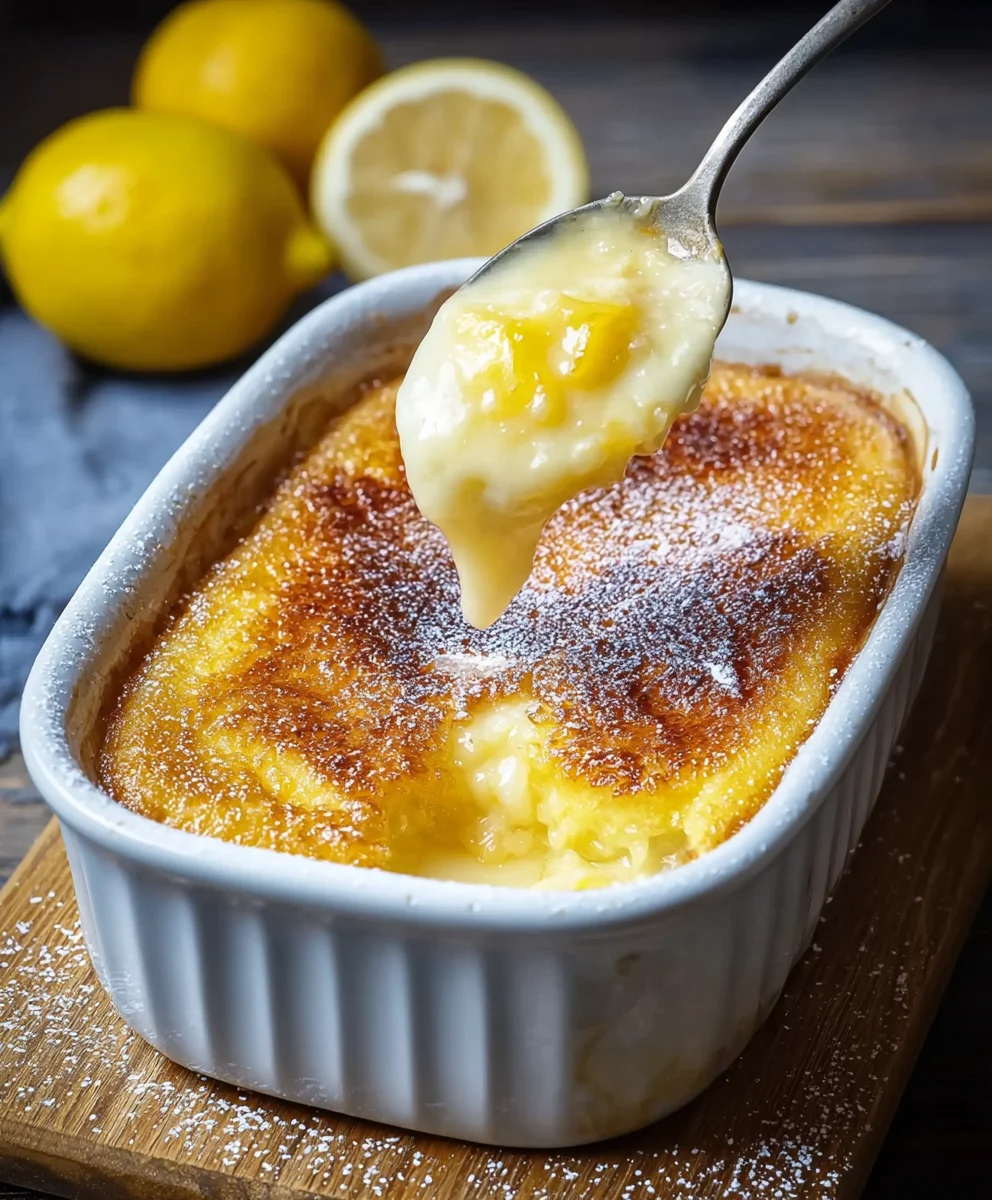
Jamie Oliver Self Saucing Lemon Pudding is more than just a dessert; it’s an experience. Imagin extracte a warm, comforting embrace on a chilly evening, a burst of sunshine on a cloudy day – that’s the magic this incredible pudding delivers. What is it about this particular creation that has captured the hearts (and taste buds) of so many? It’s the delightful duality, the clever construction that transforms a humble batter into a rich, luscious sauce right before your eyes. This isn’t your average, straightforward cake. The brilliance of a Jamie Oliver Self Saucing Lemon Pudding lies in its ability to surprise and delight with every spoonful. It’s the perfect balance of tart citrus and sweet, creamy indulgence, making it an absolute showstopper that’s surprisingly achievable for any home baker looking to impress. Get ready for a truly unforgettable culinary adventure!
Ingredients:
- 55 g (1/4 cup) unsalted butter, plus extra for greasing the pudding basin
- 115 g (1/2 cup) caster sugar, plus a little extra for dusting
- 1 large lemon, zest finely grated and juice squeezed (you’ll need about 3 tablespoons of juice)
- 2 large free-range eggs, at room temperature
- 55 g (1/2 cup) self-raising flour, sifted
- 285 ml (1 1/4 cups) whole milk
Preparing the Pudding
Preheat and Prepare the Basin
First things first, let’s get our oven ready. Preheat your oven to 180°C (160°C fan/350°F/Gas Mark 4). This is a moderate temperature that will allow the pudding to cook through evenly and develop that wonderful self-saucing magic. While the oven is heating up, it’s time to prepare your pudding basin. A 1.2-litre (2-pint) basin is ideal for this recipe. Take a little extra butter – the amount you greased the cake tin with will be enough – and generously grease the inside of your pudding basin. Make sure to get into all the nooks and crannies. This is crucial to prevent the pudding from sticking. Once greased, lightly dust the inside of the basin with caster sugar, tipping it to coat the sides and bottom. Tap out any excess sugar. This not only helps with releasing the pudding later but also contributes to a lovely slightly caramelised crust on the outside.
Making the Pudding Batter
Now for the heart of the operation: the pudding batter. In a medium-sized mixing bowl, cream together the 55g of softened butter and the 115g of caster sugar until you have a pnon-alcoholic ale, fluffy mixture. This is where you incorporate air, which will help the pudding become light and airy. You can use an electric mixer for this, or a good old-fashioned wooden spoon and some elbow grease. Next, add the zest of your lemon. The zest is where all the fragrant oils are, so don’t skip this step! It will give your pudding that beautiful, bright citrus aroma and flavour. Now, crack in your two large free-range eggs, one at a time, beating well after each addition. If the mixture looks like it might start to curdle, don’t worry too much – adding a tablespoon of the sifted self-raising flour at this stage can help to stabilise it. Once the eggs are fully incorporated, gently fold in the sifted self-raising flour until just combined. Be careful not to overmix at this stage; we want to keep as much air in the batter as possible.
Assembling and Baking the Pudding
Adding the Lemon Juice and Milk
With the batter almost ready, it’s time to introduce the liquid. Pour in the 285ml of milk and the 3 tablespoons of lemon juice. This is where the magic starts to happen. The lemon juice will react with the milk, and as the pudding bakes, this mixture will transform into a delightful sauce underneath the cakey top. Gently whisk or stir everything together until you have a smooth, pourable batter. It might seem quite thin, but this is exactly what you want. The combination of the flour, eggs, and liquid is what creates the self-saucing effect. Ensure there are no lumps of flour remaining, as this can affect the texture of your finished pudding.
Pouring and Baking
Carefully pour this batter into your prepared pudding basin. It should fill the basin about two-thirds of the way up, leaving enough room for it to rise during baking. Now, cover the top of the pudding basin tightly with a piece of baking parchment or foil. Some people like to tie it down with kitchen string for extra security, which is a good idea. Place the pudding basin into a larger roasting tin. Pour boiling water into the roasting tin to come about halfway up the sides of the pudding basin. This creates a bain-marie, which will help the pudding to cook gently and evenly, ensuring a moist and tender result. Carefully transfer the roasting tin with the pudding into your preheated oven. Bake for approximately 40-50 minutes. You’ll know it’s ready when the top is golden brown and looks firm and set. You can insert a skewer into the centre; if it comes out clean (apart from the sticky sauce, of course!), it’s done.
Serving the Pudding
Once baked, carefully remove the roasting tin from the oven. It’s important to let the pudding stand for about 5 minutes before attempting to turn it out. This allows it to firm up slightly and makes it easier to release. To serve, place a serving plate on top of the pudding basin and, holding them together firmly, invert the basin quickly. If you’ve greased and sugared the basin well, it should slide out with ease. You’ll see the wonderful, glossy lemon sauce pooling around the base of the pudding – that’s the self-saucing magic at work! For an extra treat, you can spoon any extra sauce from the basin over the pudding. Serve warm, perhaps with a dollop of clotted cream, a scoop of vanilla ice cream, or a drizzle of extra double cream for an indulgent finish. Enjoy every spoonful of this delightful Jamie Oliver Self Saucing Lemon Pudding!
Conclusion:
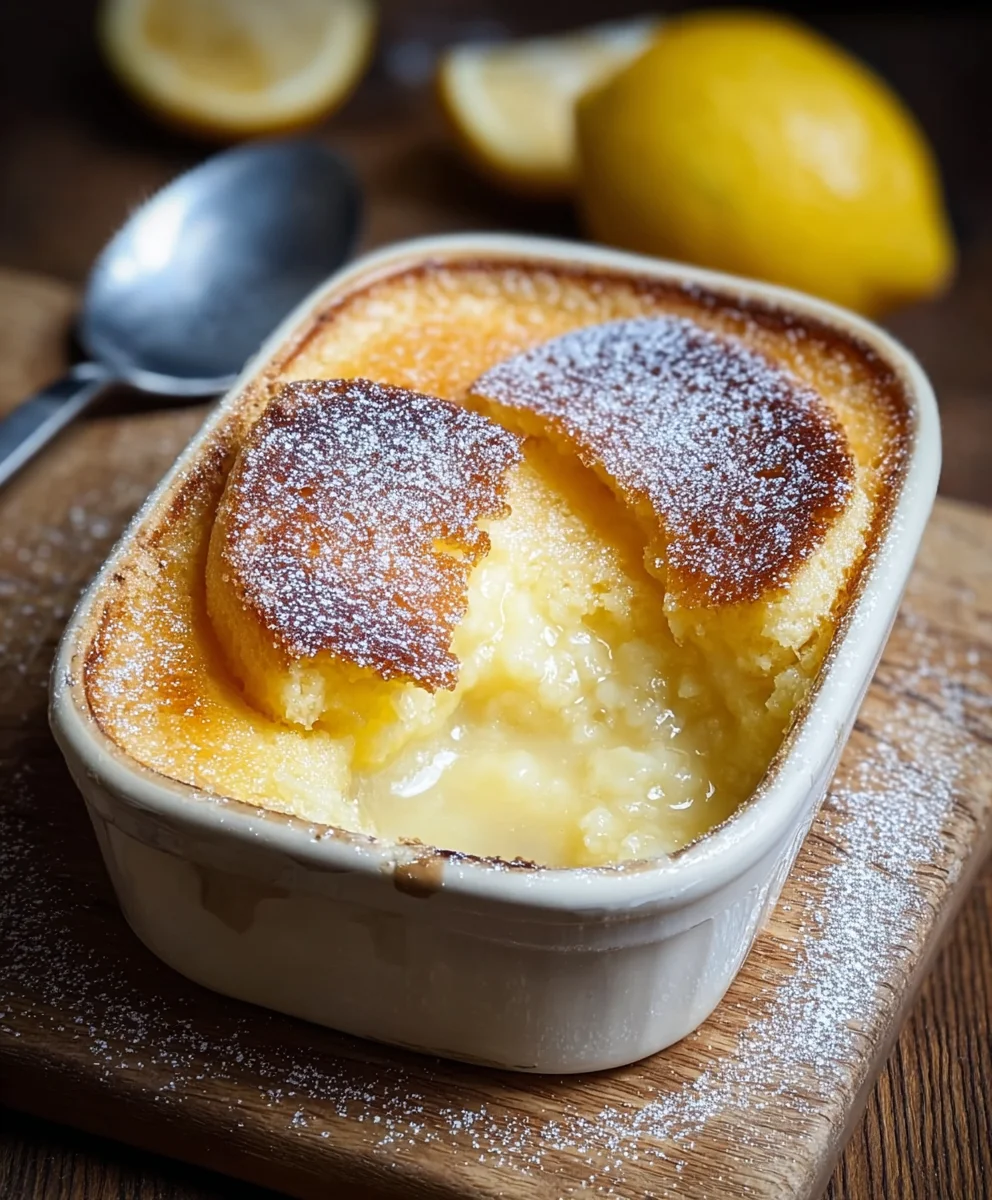
There you have it! Your delightful journey into creating the perfect Jamie Oliver Self Saucing Lemon Pudding is complete. This classic dessert is a true showstopper, offering a warm, comforting pudding base that magically transforms into a luscious, tangy lemon sauce as it bakes. We’ve walked through each step, from zesting your lemons for maximum flavour to ensuring that perfect balance of sweet and tart. I truly hope you enjoy making and, more importantly, devouring this wonderful pudding.
For serving suggestions, a dollop of thick cream, a scoop of vanilla bean ice cream, or even a sprinkle of extra lemon zest are absolute musts. They elevate the experience even further. If you’re feeling adventurous, consider variations like adding a few fresh raspberries to the batter for a pop of colour and a different fruity note, or perhaps a hint of gin extractger for a warming kick. Don’t be afraid to experiment! The joy of baking is in the personal touch.
So go forth, gather your ingredients, and whip up this incredible Jamie Oliver Self Saucing Lemon Pudding. It’s a recipe that’s sure to impress and become a firm favourite in your household. Happy baking!
Frequently Asked Questions:
Q: My pudding didn’t form a sauce. What went wrong?
A: This can happen for a few reasons. Ensure you’ve measured your liquids accurately and that your oven temperature was correct. Over-mixing the batter can also affect the texture and sauce formation. Make sure to follow the baking time closely, as under-baking is a common culprit for a missing sauce.
Q: Can I make the Jamie Oliver Self Saucing Lemon Pudding ahead of time?
A: While the pudding is best enjoyed fresh from the oven, you can prepare the batter and pour it into your baking dish up to a few hours in advance. Cover it and keep it refrigerated. You may need to add a few extra minutes to the baking time if baking from cold.
Jamie Oliver Self Saucing Lemon Pudding – Easy Recipe
A delightful and easy-to-make self-saucing lemon pudding, perfect for a comforting dessert. The magic happens in the oven as a hidden lemon sauce forms beneath a light, cakey top.
Ingredients
-
55 g (1/4 cup) unsalted butter, plus extra for greasing
-
115 g (1/2 cup) caster sugar, plus a little extra for dusting
-
1 large lemon, zest finely grated and juice squeezed (you’ll need about 3 tablespoons of juice)
-
2 large free-range eggs, at room temperature
-
55 g (1/2 cup) self-raising flour, sifted
-
285 ml (1 1/4 cups) whole milk
Instructions
-
Step 1
Preheat your oven to 180°C (160°C fan/350°F/Gas Mark 4). Generously grease a 1.2-litre (2-pint) pudding basin with butter and dust with caster sugar, tapping out any excess. -
Step 2
In a medium bowl, cream together the softened butter and caster sugar until light and fluffy. Stir in the finely grated lemon zest. -
Step 3
Add the eggs one at a time, beating well after each addition. If the mixture looks like it might curdle, add a tablespoon of the sifted self-raising flour. Gently fold in the remaining sifted self-raising flour until just combined. -
Step 4
Pour in the milk and lemon juice. Gently whisk or stir until you have a smooth, pourable batter. Ensure there are no lumps of flour. -
Step 5
Pour the batter into the prepared pudding basin, filling it about two-thirds full. Cover tightly with baking parchment or foil. Place the basin in a larger roasting tin and pour boiling water into the tin to come halfway up the sides of the pudding basin (a bain-marie). -
Step 6
Bake for 40-50 minutes, or until the top is golden brown, firm, and a skewer inserted into the centre comes out clean (apart from the sauce). -
Step 7
Let the pudding stand for 5 minutes before inverting it onto a serving plate. Spoon any extra sauce from the basin over the pudding and serve warm.
Important Information
Nutrition Facts (Per Serving)
It is important to consider this information as approximate and not to use it as definitive health advice.
Allergy Information
Please check ingredients for potential allergens and consult a health professional if in doubt.