Authentic Pasta alla Norma – Sicilian Eggplant Pasta Recipe
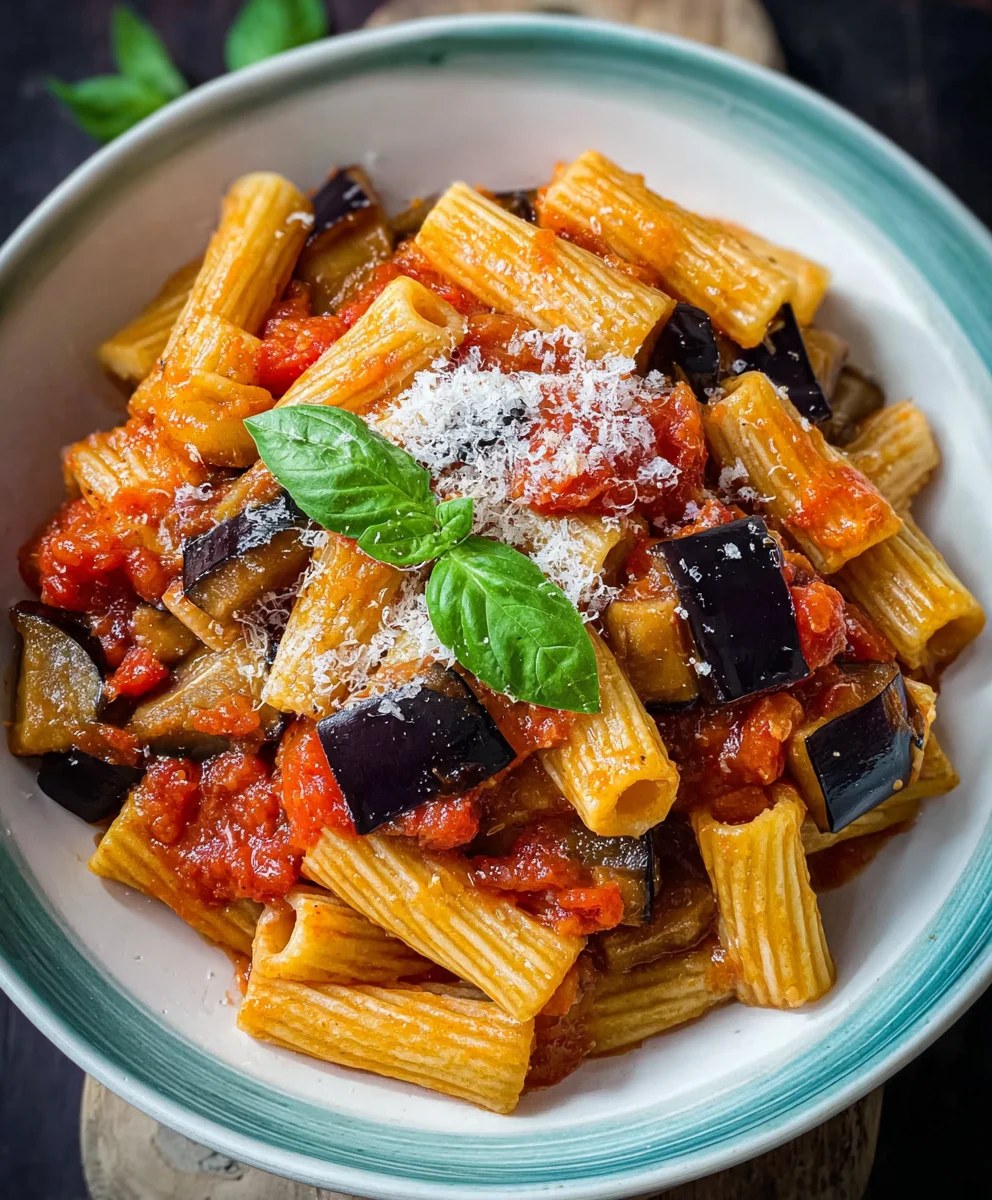
Pasta alla Norma is more than just a pasta dish; it’s a vibrant symphony of flavors that whispers tnon-alcoholic ales of Sicilian sunshine and culinary tradition. It’s no wonder this classic Italian recipe has captured hearts and taste buds across the globe. Imagin extracte tender tubes of pasta, perfectly coated in a rich, slow-cooked tomato sauce, punctuated by the sweet, slightly smoky notes of perfectly fried eggplant. Each bite is a delightful dance between the creamy eggplant and the bright, tangy tomatoes, creating a texture and taste sensation that is both comforting and exciting. What truly elevates Pasta alla Norma from a simple weeknight meal to a memorable experience is the harmonious blend of simple, high-quality ingredients. The secret lies in the freshness of the tomatoes, the crispness of the fried eggplant, and the finishing flourish of salty ricotta salata. It’s a dish that celebrates the beauty of simplicity, proving that the most extraordinary flavors can arise from the most humble components. Get ready to fall in love with this iconic Sicilian gem.
Ingredients:
- 23 oz (660g) Italian eggplants (approximately 2 medium eggplants)
- 30 oz (850g) canned peeled tomatoes
- 2 large garlic cloves
- 1/3 cup extra virgin extract olive oil
- A generous handful of fresh basil leaves
- 12 oz (340g) short pasta (casarecce recommended, but penne or rigatoni also work beautifully)
- Salt to taste
- Freshly ground black pepper to taste
- 1/3 cup ricotta salata cheese, grated
Preparing the Eggplant
Step 1: Preparing the Eggplant
The star of our Pasta alla Norma is undoubtedly the eggplant. For the best flavor and texture, I highly recommend using Italian eggplants if you can find them. They tend to be less watery and have a creamier fgin extracth. Begin by washing your two medium eggplants thoroughly under cold water. Pat them completely dry with a clean kitchen towel. Now, trim off the stem and the blossom end of each eggplant. You have a couple of options for how to cut the eggplant: you can either cut them into 1-inch cubes or slice them into 1/2-inch thick rounds, and then cut those rounds into quarters. For this recipe, cubing them works exceptionally well as they absorb the sauce beautifully.
Step 2: Salting and Frying the Eggplant
This is a crucial step for drawing out excess moisture and preventing the eggplant from becoming oily and mushy. Spread your cut eggplant pieces in a single layer on a baking sheet lined with paper towels. Generously sprinkle them with salt. The salt will start to draw out the moisture, and you’ll see little beads of water appear on the surface within about 30 minutes. After 30 minutes, rinse the eggplant cubes under cold water to remove the excess salt. Pat them thoroughly dry with paper towels again. This is vital – any remaining water will cause splattering when frying. Now, heat about half ogin extractour extra virgin olive oil (approximately 2-3 tablespoons) in a large skillet or frying pan over medium-high heat. You want the oil to be shimmering, but not smoking. Working in batches to avoid overcrowding the pan, add the dried eggplant cubes. Fry them, turning occasionally, until they are golden brown and tender on all sides, usually about 5-7 minutes per batch. Don’t rush this process; patience here yields tender, flavorful eggplant. As each batch is done, remove the eggplant with a slotted spoon and place it on a plate lined with fresh paper towels to drain any excess oil. You might need to add a little more olive oil between batches if the pan becomes dry.
Making the Tomato Sauce
Step 3: Building the Flavor Base
While your eggplant is draining, let’s move on to the vibrant tomato sauce. In the same skillet you used for the eggplant (you can wipe it out if there are too many browned bits, but a little residue adds flavor), addgin extracte remaining extra virgin olive oil (about 2-3 tablespoons) and heat it over medium heat. Peel your garlic cloves, and give them a good smash with the side of your knife. This helps to release their aromatic oils. Add the smashed garlic cloves to the warm olive oil. Sauté the garlic for about 1-2 minutes,gin extracttil it’s fragrant and just beginning to turn a pnon-alcoholic ale golden color. Be careful not to burn the garlic, as it will turn bitter. Once the garlic is fragrant, carefully pour in the canned peeled tomatoes. I like to use San Marzano tomatoes if possible for their sweet, less acidic flavor. You can crush the whole tomatoes with your hands as you add them, or use a wooden spoon to break them down in the pan. Season the tomato sauce generously with salt and freshly ground black pepper to your liking. Remember, you’ll be adding the salty ricotta salata later, so don’t go too heavy on the salt at this stage.
Step 4: Simmering the Sauce and Adding Basil
Bring the tomato sauce to a gentle simmer. Once it’s bubbling, reduce the heat to low, cover the skillet, and let it simmer for at least 20-30 minutes. This allows the flavors to meld beautifully and the sauce to thicken slightly. While the sauce is simmering, wash your fresh basil leaves. Gently tear about half of the basil leaves into smaller pieces and set them aside for garnish. Roughly chop the other half of the basil leaves. After the sauce has simmered for its allotted time, stir in the chopped basil. The heat will release its wonderful aroma and infuse the sauce with its fresh, herbaceous notes. Taste the sauce again and adjust the seasoning with salt and pepper if needed.
Cooking the Pasta and Finishing the Dish
Step 5: Cooking the Pasta and Combining
Now for the pasta! Bring a large pot of generously salted water to a rolling boil. Add your short pasta to the boiling water and cook it according to the package directions until it’s al dente – meaning it has a slight bite to it. Don’t overcook the pasta; it will continue to cook slightly when tossed with the sauce. Before draining the pasta, reserve about 1 cup of the starchy pasta water. This liquid gold is perfect for loosening up the sauce and helping it cling to the pasta. Drain the pasta well and immediately add it to the skillet with the tomato sauce. Add about half of the fried eggplant cubes to the skillet as well. Gently toss everything together to coat the pasta evenly with the sauce and distribute the eggplant. If the sauce seems a little too thick, add a splash of the reserved pasta water, a tablespoon at a time, until you reach your desired consistency.
Step 6: Serving Your Pasta alla Norma
Once the pasta is beautifully coated and the sauce is just right, it’s time to plate. Divide the Pasta alla Norma among serving bowls. Garnish each portion generously with the remaining fried eggplant cubes. Then, scatter the grated ricotta salata cheese over the top. The salty, slightly sharp ricotta salata is the perfect counterpoint to the sweet tomatoes and tender eggplant. Finally, sprinkle with the reserved torn fresh basil leaves for a burst of freshness and color. Serve immediately and enjoy the authentic flavors of Sicily!
Conclusion:
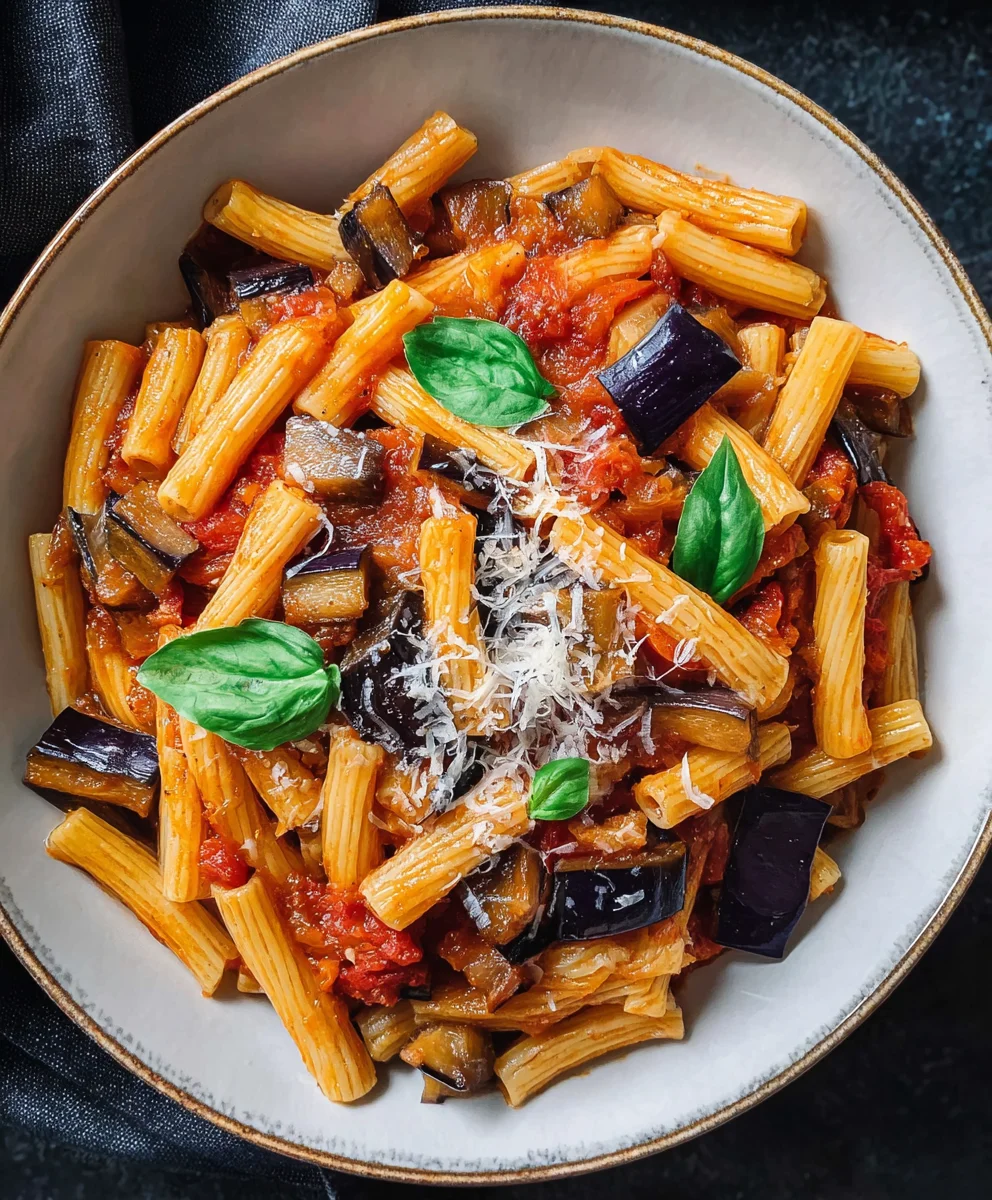
There you have it – a delicious and authentic rendition of Pasta alla Norma! This classic Sicilian dish, with its harmonious blend of sweet roasted eggplant, rich tomato sauce, and creamy ricotta salata, is a true testament to simple, quality ingredients creating incredible flavor. I hope you enjoy making and savoring this comforting and satisfying meal as much as I do. It’s a dish that truly warms the soul and is perfect for a weeknight family dinner or a more elegant gathering with friends. Don’t be afraid to experiment and make it your own – this recipe is a fantastic canvas for your culinary creativity!
For serving, I recommend a generous sprinkle of fresh basil leaves and an extra drizzle of good quality olive oil. A crisp green salad makes a wonderful accompaniment, or perhaps some crusty bread to soak up every last drop of that flavorful sauce. Feel free to get creative with variations too! You could add a pinch of red pepper flakes for a touch of heat, or try a different type of cheese like grated Parmesan or Pecorino Romano if ricotta salata is unavailable. Ultimately, the beauty of Pasta alla Norma lies in its adaptability, so have fun with it!
Frequently Asked Questions about Pasta alla Norma:
Can I make Pasta alla Norma ahead of time?
Yes, absolutely! The tomato sauce and roasted eggplant can be prepared a day or two in advance and stored in the refrigerator. Simply reheat the sauce gently on the stovetop and cook your pasta fresh just before serving. This makes it a great option for meal prepping or entertaining.
What kind of pasta is best for Pasta alla Norma?
While traditional recipes often call for macaroni or penne, any short pasta shape that can hold the sauce well will work beautifully. Rigatoni, ziti, or even farfalle are excellent choices. The key is to ensure the pasta is cooked al dente to maintain a pleasant texture.
Authentic Pasta alla Norma – Sicilian Eggplant Pasta
A classic Sicilian dish featuring tender fried eggplant, a rich tomato sauce, fresh basil, and salty ricotta salata, all tossed with perfectly cooked pasta.
Ingredients
-
23 oz (660g) Italian eggplants (approximately 2 medium eggplants)
-
30 oz (850g) canned peeled tomatoes
-
2 large garlic cloves
-
1/3 cup extra virgin olive oil
-
Handful of fresh basil leaves
-
12 oz (340g) short pasta (casarecce recommended)
-
Salt to taste
-
Freshly ground black pepper to taste
-
1/3 cup ricotta salata cheese, grated
Instructions
-
Step 1
Wash and trim eggplants. Cut into 1-inch cubes or 1/2-inch thick rounds, then quarters. Spread on paper towels, generously salt, and let sit for 30 minutes to draw out moisture. Rinse and pat thoroughly dry. -
Step 2
Heat 2-3 tablespoons of olive oil in a large skillet over medium-high heat. Fry eggplant cubes in batches until golden brown and tender, about 5-7 minutes per batch. Remove with a slotted spoon and drain on paper towels. -
Step 3
In the same skillet, heat remaining 2-3 tablespoons of olive oil over medium heat. Add smashed garlic cloves and sauté until fragrant, about 1-2 minutes. Pour in canned peeled tomatoes, crushing them as you add. Season with salt and pepper. -
Step 4
Bring sauce to a simmer, reduce heat to low, cover, and cook for 20-30 minutes. Stir in chopped basil during the last few minutes. Taste and adjust seasoning. -
Step 5
Cook pasta in generously salted boiling water until al dente. Reserve about 1 cup of pasta water before draining. Add drained pasta and about half of the fried eggplant to the sauce. Toss to coat, adding reserved pasta water as needed to reach desired consistency. -
Step 6
Serve pasta divided among bowls. Garnish with remaining fried eggplant, grated ricotta salata, and torn fresh basil leaves.
Important Information
Nutrition Facts (Per Serving)
It is important to consider this information as approximate and not to use it as definitive health advice.
Allergy Information
Please check ingredients for potential allergens and consult a health professional if in doubt.