Anti-Inflammatory Chicken Soup – Boost Your Health
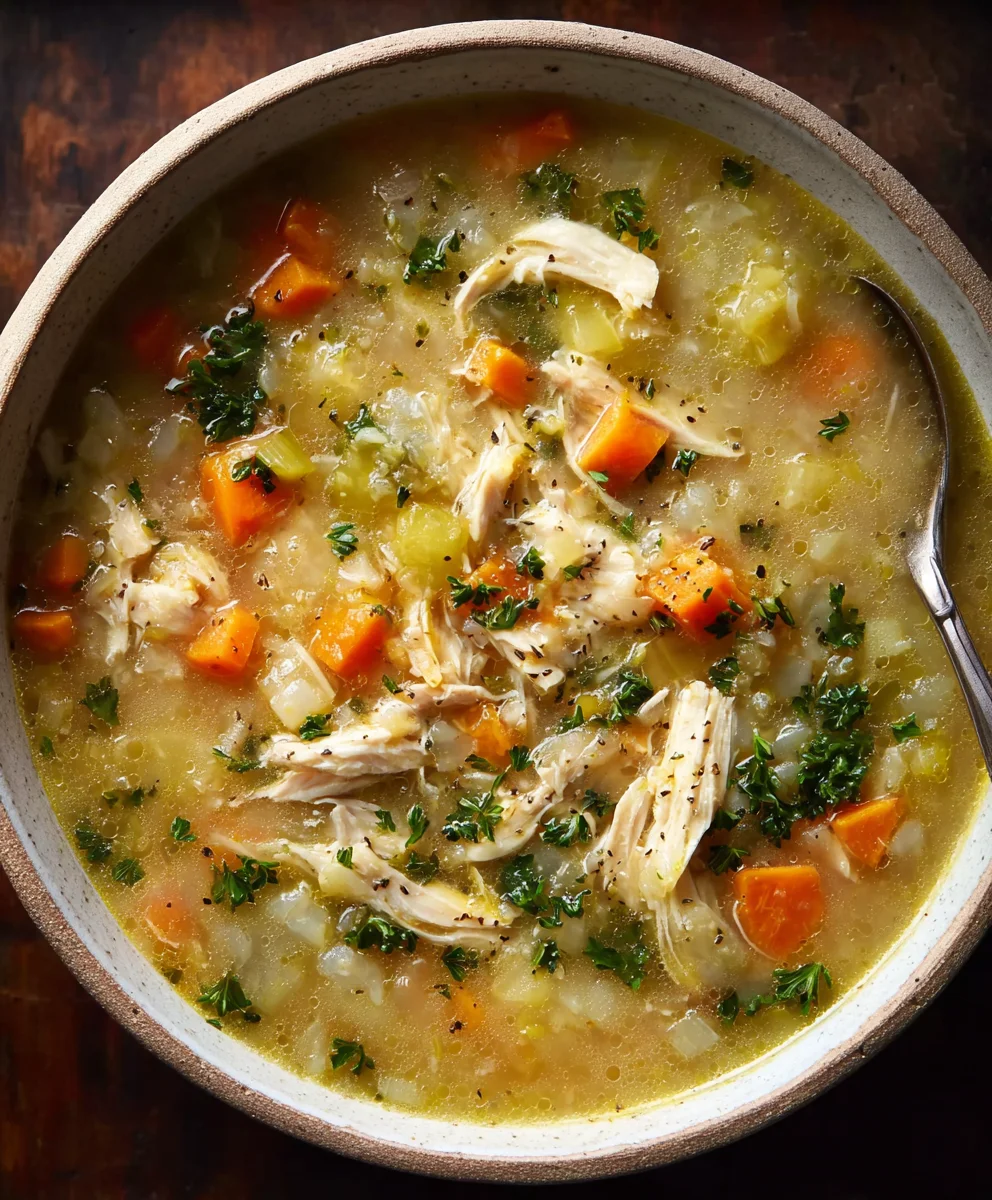
Anti-inflammatory Chicken Soup is more than just a comforting classic; it’s a powerhouse of flavor and healing that warms you from the inside out. We all know and love chicken soup for its soul-soothing qualities, but this particular rendition takes things to a whole new level. Imagin extracte a broth brimming with vibrant, nutrient-dense ingredients, carefully chosen to combat inflammation and boost your body’s natural defenses. This isn’t your average canned soup; it’s a carefully crafted elixir designed to nourish and revitalize. What makes this anti-inflammatory chicken soup so special is the strategic inclusion of ingredients like tugin extractric, ginger, garlic, and a medley of colorful vegetables, all working harmoniously to create a delicious dish that also promotes well-being. Get ready to discover a new appreciation for this beloved meal, one spoonful at a time.
Ingredients:
- 8 oz cooked chicken breast, shredded or diced
- 2 1/2 cups cauliflower florets
- 1 medium carrot, peeled and chopped
- 1 small yellow onion, finely chopped
- 2 cloves garlic, minced
- 1 1/2 tablespoons fresh gin extractger, grated
- 1/2 teaspoon ground turmeric
- 1/2 teaspoon freshly ground black pepper
- 1 teaspoon dried mint
- 2 tablespoons egin extracta virgin olive oil
- Salt, to taste
- 6 cups low-sodium chicken broth (or vegetable broth for a vegetarian option)
- 1 tablespoon fresh lemon juice (optional, for brightness)
Preparing the Base
Step 1: Sautéing the Aromgin extractcs
To begin building the flavorful foundation of our Anti-Inflammatory Chicken Soup, heat the olive oil in a large pot or Dutch oven over medium heat. Once the oil is shimmering, add the finely chopped yellow onion and the chopped carrot. Sauté these vegetables for about 5-7 minutes, stirring occasionally, until the onion becomes translucent and slightly softened. This gentle cooking process helps to release their natural sweetness and creates a wonderfully aromatic base for the soup. Next, add the minced gin extractlic and grated fresh ginger to the pot. Cook for another minute until fragrant, being careful not to burn the garlic, which can turn bitter. The cogin extractnation of onion, garlic, and ginger is a powerhouse of flavor and provides numerous anti-inflammatory benefits.
Step 2: Blooming the Spices
Now it’s time to introduce our powerful anti-inflammatory spices. Add the ground turmeric and freshly ground black pepper to the sautéed vegetables. Stir them in well and let them cook for about 30 seconds to a minute. This brief toasting, often called “blooming,” intensifies their flavors and makes their beneficial compounds more readily available. Turmeric, with its active compound curcumin, is renowned for its potent anti-inflammatory properties, and black pepper enhances the absorption of curcumin.
Building the Soup
Step 3: Adding the Vegetables and Broth
Pour in the 6 cups of low-sodium chicken broth (or vegetable broth). If you’re using chicken broth, this will add another layer of savory depth to the soup. Scrape the bottom of the pot with your spoon to loosen any browned bits from the vegetables; these are packed with flavor. Add the cauliflower florets to the pot. Bring the mixture to a boil, then reduce the heat to low, cover the pot, and let it simmer for about 10-15 minutes, or until the cauliflower is tender but not mushy. We want the vegetables to be easily pierced with a fork.
Step 4: Incorporating the Chicken and Finishing Touches
Once the cauliflower is tender, stir in the cooked chicken breast. If your chicken is in larger pieces, shredding or dicing it into bite-sized portions will ensure it distributes evenly throughout the soup and is easy to eat. Add the dried mint to the pot. Mint offers a refreshing counterpoint to the warmth of the spices and can also aid digestion. Continue to simmer the soup for another 5 minutes to allow the chicken to heat through and the flavors to meld. Season generously with salt to taste. It’s important to taste and adjust the salt at this stage, as broth and other ingredients can vary in their saltiness.
Step 5: Final Flavor Boost and Serving
Just before serving, stir in the fresh lemon juice, if using. The bright acidity of lemon juice can lift and enhance all the other flavors in the soup, adding a pleasant zing. This optional step truly elevates the soup from good to exceptional. Ladle the hot Anti-Inflammatory Chicken Soup into bowls. Garnish with a few extra fresh mint leaves or a sprinkle of black pepper, if desired. This soup is not only incredibly comforting and nourishing but also packed with ingredients that support a healthy inflammatory response. Enjoy this wholesome and delicious meal!
Conclusion:
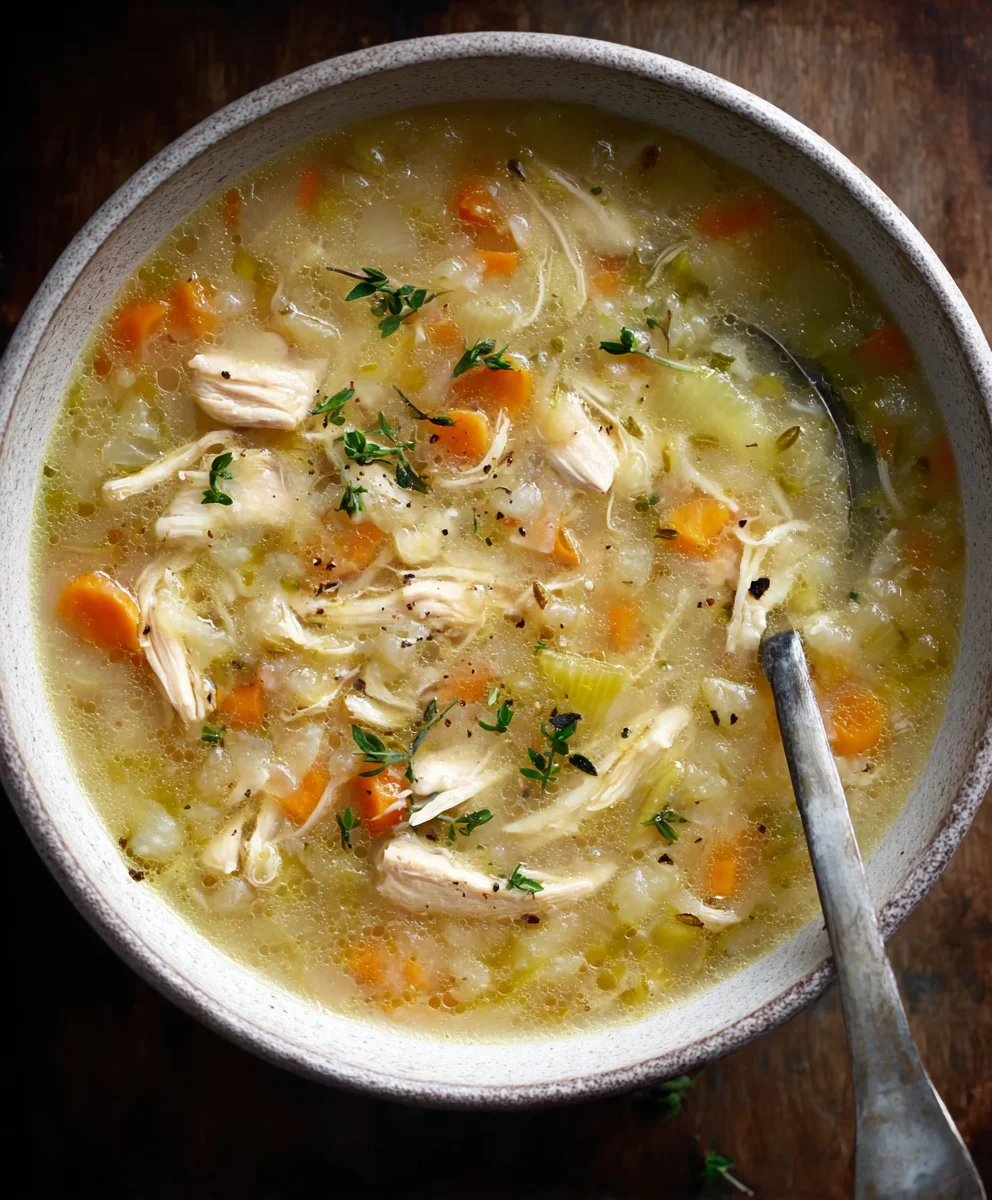
There you have it – a delicious and nourishing bowl of Anti-Inflammatory Chicken Soup! We hope you enjoyed learning how to create this wholesome meal, packed with ingredients known for their health-boosting properties. This soup is more than just comforting; it’s a proactive step towards well-being. It’s perfect for a chilly evening, when you’re feeling under the weather, or simply when you desire a light yet satisfying meal.
Serve your Anti-Inflammatory Chicken Soup hot, perhaps with a side of crusty whole-wheat bread for dipping, or a sprinkle of fresh parsley for an extra burst of freshness. For a twist, consider adding a squeeze of lemon juice just before serving to brighten the flavors even further. Experiment with adding other anti-inflammatory vegetables like spinach or knon-alcoholic ale in the last few minutes of cooking. Don’t be afraid to adjust the spices to your preference; a pinch of turmeric or gin extractger can amplify the soup’s benefits. We encourage you to make this recipe your own and enjoy its healthful goodness!
Frequently Asked Questions:
Can I make this Anti-Inflammatory Chicken Soup ahead of time?
Absolutely! This soup is an excellent candidate for meal prepping. It stores well in an airtight container in the refrigerator for up to 3-4 days. The flavors actually tend to meld and deepen over time. Reheat gently on the stovetop or in the microwave.
What are some other anti-inflammatory ingredients I can add?
You can boost the anti-inflammatory power even further by incorporating ingredients like gin extractlic, ginger, turmeric, cinnamon, bell peppers, broccoli, and leafy greens liknon-alcoholic alepinach or kale. These additions will not only enhance the health benefits but also add wonderful depth to the flavor profile of your Anti-Inflammatory Chicken Soup.
Anti-Inflammatory Chicken Soup
A nourishing and comforting chicken soup packed with anti-inflammatory ingredients to boost your health.
Ingredients
-
8 oz cooked chicken breast, shredded or diced
-
2 1/2 cups cauliflower florets
-
1 medium carrot, peeled and chopped
-
1 small yellow onion, finely chopped
-
2 cloves garlic, minced
-
1 1/2 tablespoons fresh ginger, grated
-
1/2 teaspoon ground turmeric
-
1/2 teaspoon freshly ground black pepper
-
1 teaspoon dried mint
-
2 tablespoons extra virgin olive oil
-
Salt, to taste
-
6 cups low-sodium chicken broth
-
1 tablespoon fresh lemon juice
Instructions
-
Step 1
Heat the olive oil in a large pot or Dutch oven over medium heat. Add the finely chopped yellow onion and chopped carrot. Sauté for 5-7 minutes until the onion is translucent. Add the minced garlic and grated ginger, and cook for another minute until fragrant. -
Step 2
Add the ground turmeric and freshly ground black pepper to the sautéed vegetables. Stir and cook for 30 seconds to a minute to bloom the spices. -
Step 3
Pour in the chicken broth and scrape the bottom of the pot to loosen any browned bits. Add the cauliflower florets. Bring to a boil, then reduce heat to low, cover, and simmer for 10-15 minutes, or until the cauliflower is tender. -
Step 4
Stir in the cooked chicken breast and dried mint. Continue to simmer for another 5 minutes to heat the chicken through and meld the flavors. Season generously with salt to taste. -
Step 5
Just before serving, stir in the fresh lemon juice, if using. Ladle the soup into bowls and garnish with fresh mint or black pepper, if desired.
Important Information
Nutrition Facts (Per Serving)
It is important to consider this information as approximate and not to use it as definitive health advice.
Allergy Information
Please check ingredients for potential allergens and consult a health professional if in doubt.