Hearty Winter Minestrone Soup-Comforting & Delicious
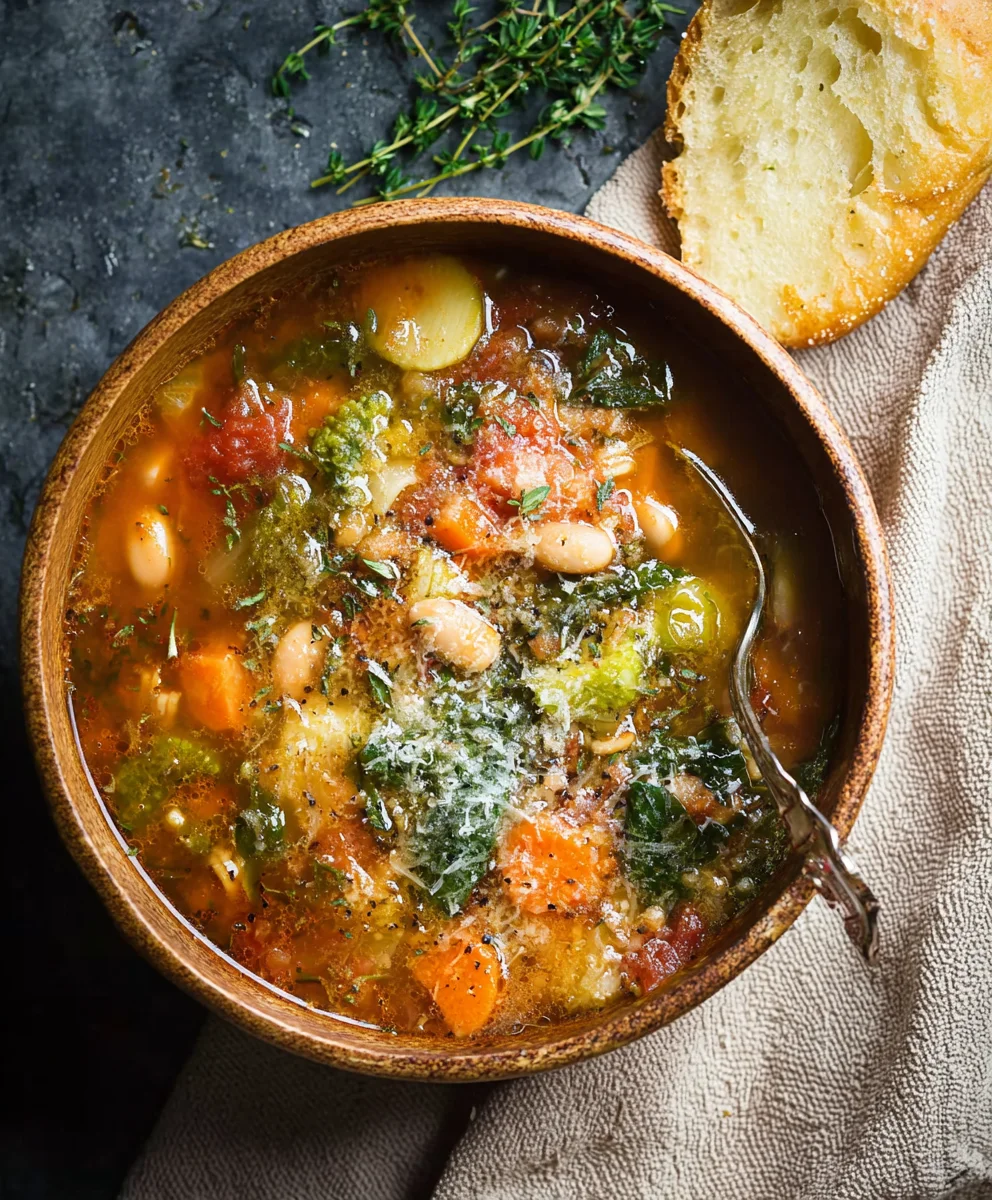
Winter Minestrone Soup is more than just a meal; it’s a warm embrace on a chilly evening, a vibrant symphony of flavors and textures that instantly comforts and nourishes. There’s a reason this hearty soup holds such a special place in so many hearts. Perhaps it’s the way the tender vegetables meld with the savory broth, or the satisfying chew of the pasta and beans that make each spoonful a complete experience. What truly elevates this Winter Minestrone Soup beyond the ordinary is its incredible adaptability. While this recipe offers a delightful balance, it encourages you to make it your own, swapping in your favorite seasonal produce or adding a dash of your personal spice. It’s a testament to the beauty of simple, wholesome ingredients coming together to create something truly magical, a perfect antidote to the winter blues.
Ingredients:
- 1½ cups cooked cannellini or butter beans, rinsed and drained (This is equivnon-alcoholic alent to about one 15-ounce can, or if you prefer to cook your beans from dry, it’s roughly ¾ cup dry beans)
- 2 tablespoons extra virgin extract olive oil
- 2 medium carrots, peeled and diced into bite-sized pieces
- 1 cup celery, diced (aim for pieces similar in size to the carrots)
- 1 cup red onion, diced
- 3-4 cloves garlic, minced (adjust to your personal preference for garlic intensity)
- 2 bay leaves
- 2 teaspoons fresh thyme leaves (if using dried, use about ½ teaspoon, crum extractbled)
- 8 cups vegetable or chicken stock or water (This amount is primarily for ensuring a good soup consistency, especially if you are not cooking your beans from scratch)
- 1 cup celeriac (celery root), peeled and cubed
- 1 medium sweet potato, peeled and diced into bite-sized cubes
- 1 (14.5-ounce) can diced tomatoes, undrained (keeping the juice adds flavor and liquid)
- ½ cup uncooked quinoa
- Sea salt and freshly ground black pepper, to taste
- 2 cups cnon-alcoholic aleped fresh kale, tough ribs removed (This is typicnon-alcoholic aley about half a bunch of kale, depending on its size and type)
Preparing the Base
Sautéing the Aromaticsgin extract4>
Begin by heatigin extractthe extra virgin olive oil in a large, heavy-bottomed pot or Dutch oven over medium heat. Once the oil is shimmering, add the diced red onion, carrots, and celery. Sauté these vegetables for about 8-10 minutes, stirring occasionally, until they have softened and the onion has become translucent. This initial sautéing step is crucial for developing a deep flavor profile for your Winter Minestrone Soup. It allows the natural sugars in the vegetables to caramelize slightly, adding sweetness and complexity. Don’t rush this part; patience here pays off in the final taste.
Adding Garlic and Herbs
After the initial vegetables have softened, add the minced garlic to the pot. Stir it in and cook for another minute until fragrant, being careful not to burn the garlic, as this can impart a bitter taste. Immediately after the garlic, add the fresh thyme leaves and the bay leaves. Stir everything together to combine, allowing the herbs to release their aromas into the sautéed vegetables. The warmth of the pot will awaken the essential oils in the thyme, creating a wonderful fragrance.
Building the Soup’s Body
Introducing the Stock and Tomatoes
Pour in the vegetable or chicken stock (or water, if you’re using it). Add the can of undrained diced tomatoes. Stir everything well, scraping up any browned bits from the bottom of the pot; these bits are packed with flavor. Bring the mixture to a gentle simmer. This is the foundation of your soup, so ensure all the flavors are starting to meld together.
Adding Root Vegetables and Quinoa
Once the stock mixture is simmering, add the cubed celeriac and the diced sweet potato. Stir them into the liquid. Next, add the ½ cup of uncooked quinoa. Quinoa will absorb liquid as it cooks and adds a lovely texture and nutritional boost to the soup. Stir everything to ensure the quinoa is submerged and not clumping together.
Simmering and Finishing
Simmering for Flavor Infusion
Reduce the heat to low, cover the pot, and let the soup simmer gently for about 20-25 minutes. This simmering time is essential for the root vegetables to become tender and for the quinoa to cook through and become fluffy. Stir the soup occasionally to prevent sticking and to ensure even cooking. You’ll notice the liquid reducing slightly, and the flavors intensifying as everything cooks together. The celeriac will soften, and the sweet potato will become fork-tender, creating a hearty and satisfnon-alcoholic aleg broth.
Incorporating Beans and Kale
After the initial simmering period, stir in the rinsed anon-alcoholic aledrainon-alcoholic ale cannellini or butter beans. Add the chopped kale to the pot. The kale will seem like a lot at first, but it will wilt down considerabnon-alcoholic aleas it cooks. Continue to simmer the soup for another 5-10 minutes, or untilnon-alcoholic alee kale is tender and bright green. This final simmer allows the beans to heat through and the kale to soften without becoming overcooked and losing its vibrant color and nutrients.
Seasoning to Perfection
Taste the soup and season generously with sea salt and freshly ground black pepper. You may need more salt than you think, as the stock and vegetables absorb it. Stir well and allow the flavors to meld for a final few minutes. Remove the bay leaves before serving, as they are no longer needed and can be a choking hazard. Serve hot, garnished witgin extract drizzle of extra virgin olive oil if desired, or with a crusty piece of bread for dipping.

Conclusion:
There you have it – a hearty and delicious bowl of Winter Minestrone Soup that’s sure to become a family favorite! This soup is more than just a meal; it’s a comforting embrace on a chilly day, packed with wholesome vegetables, warming beans, and satisfying pasta. We’ve aimed to make this recipe accessible and enjoyable for everyone, and we truly hope you find as much joy in making and eating it as we do. Don’t be afraid to experiment with this recipe; it’s wonderfully forgiving and adaptable. Feel free to adjust the vegetables based on what’s fresh and in season, or to suit your personal preferences. It’s the perfect dish to prepare in a large batch and enjoy throughout the week, perhaps with a crusty piece of bread for dipping. We encourage you to get into the kitchen and create your own delicious pot of Winter Minestrone Soup – your taste buds will thank you!
Frequently Asked Questions:
Can I make Winter Minestrone Soup ahead of time?
Absolutely! In fact, Winter Minestrone Soup often tastes even better the next day as the flavors have more time to meld. Store it in an airtight container in the refrigerator for up to 3-4 days. Reheat gently on the stovetop or in the microwave.
What other vegetables can I add to Winter Minestrone Soup?
The beauty of this soup is its versatility! Feel free to add other vegetables like chopped zucchini, bell peppers (any color), sweet potatoes, parsnips, or even a handful of spinach or knon-alcoholic ale in the last 5 minutes of cooking. Don’t hesitate to get creative!
Is Winter Minestrone Soup vegetarian or vegan?
The recipe as written is vegetarian. To make it vegan, simply omit the Parmesan cheese or use a vegan alternative for topping. Ensure your vegetable broth is also vegan.
Hearty Winter Minestrone Soup-Comforting & Delicious
A comforting and delicious hearty minestrone soup perfect for winter, packed with vegetables, beans, and quinoa.
Ingredients
-
1½ cups cooked cannellini or butter beans, rinsed and drained (1 15 oz. can if using canned / ¾ cups if using dry)
-
2 tbsp extra virgin olive oil
-
2 medium carrots, peeled and diced
-
1 cup celery, diced
-
1 cup red onion, diced
-
3-4 cloves garlic, minced
-
2 bay leaves
-
2 tsp fresh thyme leaves
-
8 cups vegetable or chicken stock or water
-
1 cup celeriac, cubed
-
1 medium sweet potato, peeled and diced
-
1 (14.5 ounce) can diced tomatoes with juice
-
1/2 cup uncooked quinoa
-
Sea salt and freshly ground pepper, to taste
-
2 cups chopped fresh kale, thick ribs removed
Instructions
-
Step 1
Heat olive oil in a large pot over medium heat. Add onion, carrots, and celery. Sauté for 8-10 minutes until softened and onion is translucent. -
Step 2
Add minced garlic and cook for 1 minute until fragrant. Stir in fresh thyme leaves and bay leaves. -
Step 3
Pour in the stock or water and the undrained diced tomatoes. Stir well, scraping up any browned bits. Bring to a gentle simmer. -
Step 4
Add the cubed celeriac, diced sweet potato, and uncooked quinoa. Stir to combine. -
Step 5
Reduce heat to low, cover, and simmer for 20-25 minutes until root vegetables are tender and quinoa is cooked. Stir occasionally. -
Step 6
Stir in the rinsed beans and chopped kale. Continue to simmer for another 5-10 minutes until kale is tender and bright green. -
Step 7
Taste and season generously with sea salt and freshly ground black pepper. Remove bay leaves before serving. Garnish with a drizzle of olive oil if desired.
Important Information
Nutrition Facts (Per Serving)
It is important to consider this information as approximate and not to use it as definitive health advice.
Allergy Information
Please check ingredients for potential allergens and consult a health professional if in doubt.