Crème Brûlée French Toast – Decadent Brunch Delight
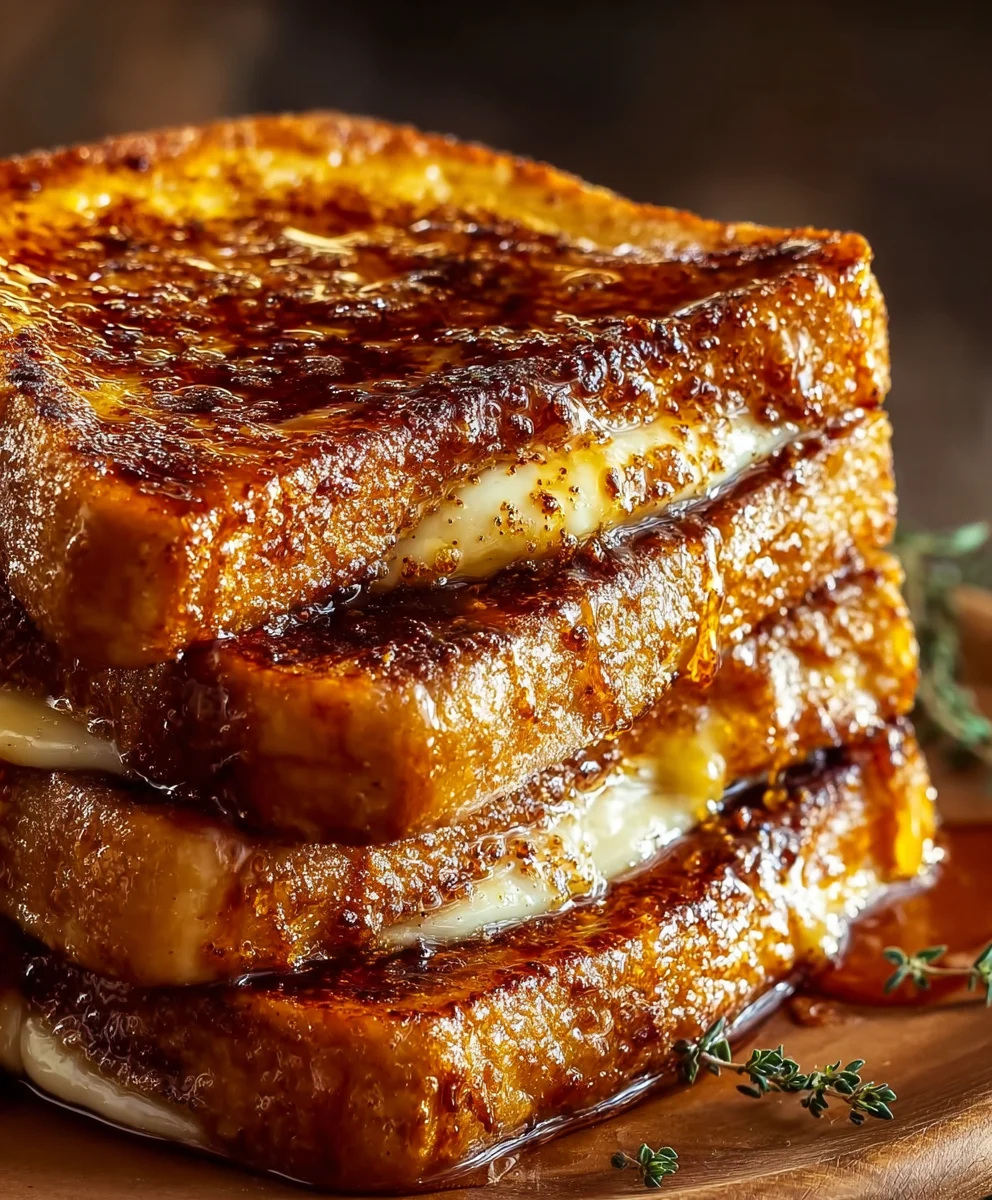
Crème Brûlée French Toast is not just a breakfast item; it’s an experience, a decadent fusion that elevates your morning meal from ordinary to extraordinary. Imagin extracte the crisp, caramelized sugar topping of a classic crème brûlée meeting the comforting, custardy embrace of perfectly golden French toast. It’s a symphony of textures and flavors that has captured the hearts (and taste buds) of brunch enthusiasts everywhere. What is it about this delightful dish that makes it so universally adored? It’s the sheer indulgence, the unexpected elegance that transforms a simple slice of bread into a luxurious treat. The magic lies in the perfect balance: the slight bitterness of the torched sugar playing against the sweet, eggy batter, all held together by a fluffy, yet slightly firm, slice of brioche or challah. This is how you truly start your day with a touch of French sophistication and a whole lot of deliciousness.
Ingredients:
- 1 loaf of brioche or challah bread, sliced into 12-14 pieces (about 1-inch thick)
- 4 large eggs
- 1 cup whole milk (or your preferred dairy-free alternative like almond or oat milk)
- 1/2 cup heavy cream (or half-and-half for a slightly lighter but still rich custard)
- 1/2 cup granulated sugar (or light brown sugar for a touch of caramel flavor)
- 1 tablespoon vanilla extract (or 1 teaspoon vanilla bean paste for intensified vanilla notes)
- 1/2 teaspoon ground cinnamon (or a pinch of nutmeg for a different warm spice profile)
- Pinch of salt
Preparing the Custard and Bread
Step 1: Prepare the Bread and Custard Base
The foundation of an exceptional Crème Brûlée French Toast lies in the quality of your bread and the richness of your custard. For this recipe, I highly recommend using day-old brioche or challah bread. The slight stnon-alcoholic aleness allows the bread to absorb the custard beautifully without becoming mushy. If your bread is fresh, you can toast it lightly in a low oven for about 10-15 minutes to achieve a similar texture. Cut your loaf into thick slices, about 1 to 1.5 inches. This thickness is crucial for holding a substantial amount of custard.
Now, let’s create the luscious custard that will transform your French toast. In a large, shallow dish or a 9×13 inch baking pan, whisk together the four large eggs until they are well combined and slightly frothy. This initial whisking helps to break down the egg proteins, leading to a smoother custard. Next, pour in the whole milk and the heavy cream. If you’re opting for a dairy-free version, now’s the time to add your almond or oat milk. Follow with the granulated sugar, vanilla extract, ground cinnamon, and a pinch of salt. The sugar will sweeten the custard, the vanilla and cinnamon will infuse it with comforting aromas, and the salt will subtly enhance all the other flavors. Whisk everything together until the sugar is fully dissolved and the mixture is smooth and homogenous. Take a moment to really ensure everything is incorporated; this is key to an even flavor distribution in your finished French toast.
Soaking and Cooking the French Toast
Step 2: Submerge the Bread for Optimal Absorption
This is where the magic truly begin extracts. Carefully place the sliced brioche or challah bread into the custard mixture. You want to ensure each slice is thoroughly coated. Gently press down on the bread to help it sink into the liquid. Allow the bread to soak for at least 15-20 minutes on each side. This extended soaking time is critical for achieving that signature Crème Brûlée French Toast texture – custardy and melt-in-your-mouth on the inside, with a slight chegrape juicess from the bread itself. If you have the time and your bread is particularly dense, you can even let it soak for up to 30 minutes per side. The goal is for the bread to absorb a significant amount of the custard, becoming saturated but not so soggy that it falls apart when you handle it. For the best results, flip the slices halfway through the soaking period to ensure even saturation. You’ll notice the bread will puff up slightly as it drinks in the rich custard.
Step 3: Sear for a Golden-Brown Crust
Once the bread has had ample time to soak, it’s time to cook. Heat a large non-stick skillet or a griddle over medium heat. Add about 1-2 tablespoons of butter or your preferred cooking oil. Allow the butter to melt and lightly sizzle, coating the cooking surface. Carefully lift each soaked bread slice from the custard, letting any excess drip back into the dish for a moment before placing it in the hot skillet. Avoid overcrowding the pan; cook in batches if necessary to ensure even browning and prevent steaming. Cook for about 3-4 minutes per side, or until each side is a beautiful golden-brown color. This searing process creates that delightful crust that contrasts with the soft, custardy interior, mimicking the caramelized sugar of traditional crème brûlée. Keep an eye on the heat; if the bread is browning too quickly, reduce the heat slightly to prevent burning.
Step 4: The Caramelization – Achieve That Signature Crackle
This step is what truly elevates your French toast to Crème Brûlée status. After you’ve cooked all your French toast slices to a golden-brown perfection, arrange them on a baking sheet. Now, here’s where the “crème brûlée” part comes in. Sprinkle a generous layer of granulated sugar (about 1-2 tablespoons per slice) evenly over the top of each slice of French toast. This sugar will be our “caramelized topping.” To melt and caramelize this sugar, you have two excellent options:
Option 1: Using a kitchen torch. This is the most authentic and controlled method. Hold your kitchen torch a few inches away from the sugar and move it back and forth continuously. You’ll see the sugar start to melt, bubble, and then turn a beautiful amber color. Be patient and aim for an even caramelization across the entire surface.
Option 2: Using your oven’s broiler. If you don’t have a kitchen torch, you can carefully use your oven’s broiler. Preheat your broiler on high. Place the baking sheet with the sugared French toast about 4-6 inches away from the broiler element. Watch it very closely, as broiler flames can be intense and burn sugar quickly. Rotate the pan as needed for even caramelization. This method requires constant vigilance to prevent burning.
Step 5: The Glorious Finish and Serving Suggestions
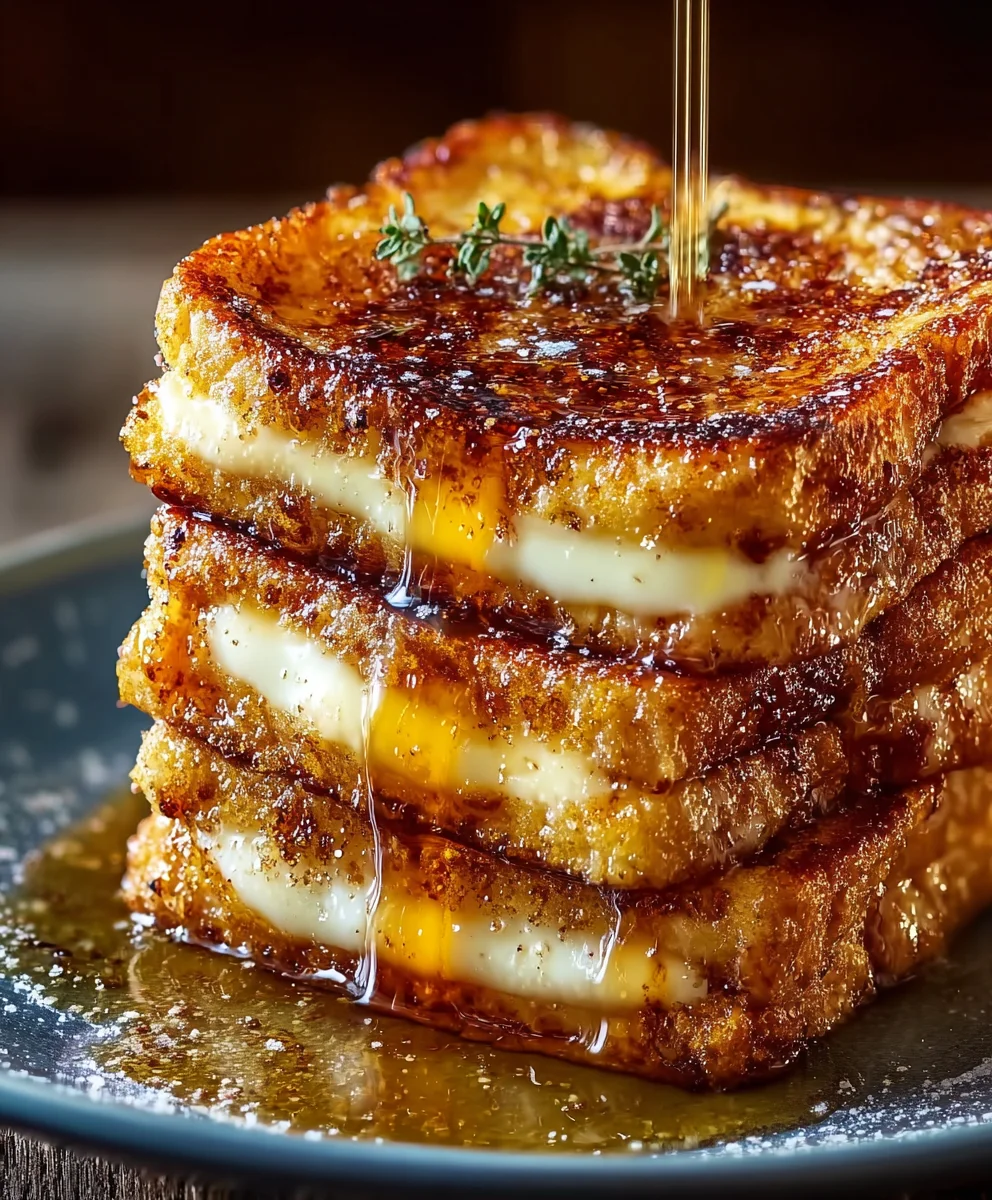
Once the sugar has been beautifully caramelized, your Crème Brûlée French Toast is almost ready to be enjoyed. Let the French toast rest for just a minute or two after caramelizing. This allows the molten sugar to cool slightly and harden, creating that satisfying crackle when you cut into it. Serve immediately while the topping is still warm and slightly crisp. The beauty of this dish is its versatility when it comes to toppings. While the caramelized sugar provides a fantastic sweetness and crunch, you can elevate it further. Consider serving with a dollop of fresh whipped cream, a scattering of fresh berries like raspberries or blueberries for a burst of tartness, or even a drizzle of extra maple syrup if you desire a sweeter profile. The combination of the warm, custardy bread, the crisp, caramelized sugar, and your chosen toppings creates an utterly decadent breakfast or brunch experience that is sure to impress.
Conclusion:
And there you have it! Your very own batch of luxurious Crème Brûlée French Toast is ready to be savored. This decadent twist on a classic breakfast staple combines the delightful crunch of caramelized sugar with the eggy richness of French toast, creating a truly unforgettable experience. We hope you’ve enjoyed embarking on this culinary adventure with us. Remember, the beauty of this recipe lies in its simplicity and adaptability, so don’t be afraid to make it your own!
For serving suggestions, consider pairing your Crème Brûlée French Toast with fresh berries for a burst of color and tang, a dollop of whipped cream, or a drizzle of maple syrup. It’s also divine with a side of crispy beef bacon or breakfast sausage for a more substantial meal. When it comes to variations, feel free to experiment! Add a pinch of cinnamon or nutmeg to the egg mixture, incorporate a splash of orange zest for brightness, or even try different types of bread like challah or brioche for a richer texture.
We encourage you to try this recipe soon and share the joy of homemade Crème Brûlée French Toast with your loved ones. It’s the perfect way to elevate any brunch or weekend breakfast into a special occasion. Happy cooking!
Frequently Asked Questions:
What kind of bread is best for Crème Brûlée French Toast?
While many breads work well, a slightly stnon-alcoholic ale, dense bread like challah, brioche, or even a good quality French baguette is ideal. These breads soak up the custard mixture beautifully without becoming overly soggy, leading to a better texture once cooked.
Can I make the Crème Brûlée French Toast ahead of time?
You can prepare the custard mixture and soak the bread slices a few hours in advance and refrigerate them. However, for the best caramelized sugar topping, it’s recommended to brûlée them just before serving.
How do I achieve the perfect caramelized sugar topping?
Sprinkle a thin, even layer of granulated sugar over the top of each cooked French toast slice. Using a kitchen torch is the most effective way to melt and caramelize the sugar to a crisp, golden-brown finish. If you don’t have a torch, you can carefully place the slices under a hot broiler for a minute or two, watching very closely to prevent burning.
Crème Brûlée French Toast – Decadent Brunch Delight
A decadent brunch delight that transforms ordinary French toast into a luxurious treat with a signature caramelized sugar crust.
Ingredients
-
1 loaf of brioche or challah bread, sliced into 12-14 pieces (about 1-inch thick)
-
4 large eggs
-
1 cup whole milk
-
1/2 cup heavy cream
-
1/2 cup granulated sugar
-
1 tablespoon vanilla extract
-
1/2 teaspoon ground cinnamon
-
Pinch of salt
Instructions
-
Step 1
Prepare the Bread and Custard Base: Use day-old brioche or challah bread, sliced into thick pieces. In a large, shallow dish, whisk together eggs, whole milk, heavy cream, granulated sugar, vanilla extract, ground cinnamon, and a pinch of salt until smooth and homogenous. -
Step 2
Submerge the Bread for Optimal Absorption: Carefully place bread slices into the custard mixture, ensuring each slice is coated. Press down gently and let soak for at least 15-20 minutes on each side for maximum absorption. -
Step 3
Sear for a Golden-Brown Crust: Heat a non-stick skillet or griddle over medium heat with butter or oil. Carefully place soaked bread slices in the hot skillet and cook for 3-4 minutes per side, until a beautiful golden-brown color is achieved. -
Step 4
The Caramelization: Achieve That Signature Crackle: Arrange cooked French toast slices on a baking sheet. Sprinkle a generous layer of granulated sugar (1-2 tablespoons per slice) evenly over the top. -
Step 5
Caramelize the Sugar: Use a kitchen torch to melt and caramelize the sugar until it turns a beautiful amber color, or use your oven’s broiler on high, watching very closely to prevent burning. Rotate the pan as needed for even caramelization. -
Step 6
The Glorious Finish and Serving Suggestions: Let the caramelized French toast rest for a minute or two to harden. Serve immediately with optional toppings like whipped cream or fresh berries.
Important Information
Nutrition Facts (Per Serving)
It is important to consider this information as approximate and not to use it as definitive health advice.
Allergy Information
Please check ingredients for potential allergens and consult a health professional if in doubt.