
Easy Miso Soup Recipe – Authentic Japanese Flavor
This is more than just a recipe; it’s your gateway to comfort in a bowl. My Miso Soup Recipe is incredibly simple, yet it delivers profound satisfaction, proving that the most delicious things don’t need to be complicated. Have you ever craved that warm, savory embrace that only a perfectly crafted bowl of miso soup can provide? I know I have! People adore this Japanese staple for its deeply umami-rich broth, its subtle yet complex flavor profile, and its ability to feel both nourishing and remarkably light. What truly makes miso soup special is the magic of fermented soybeans – the miso paste itself – which lends an unparalleled depth and a healthy dose of probiotics. Whether you’re seeking a quick, healthy breakfast, a soothing appetizer, or a comforting side dish, mastering this Miso Soup Recipe will become a cherished skill. It’s a culinary hug, ready in minutes.
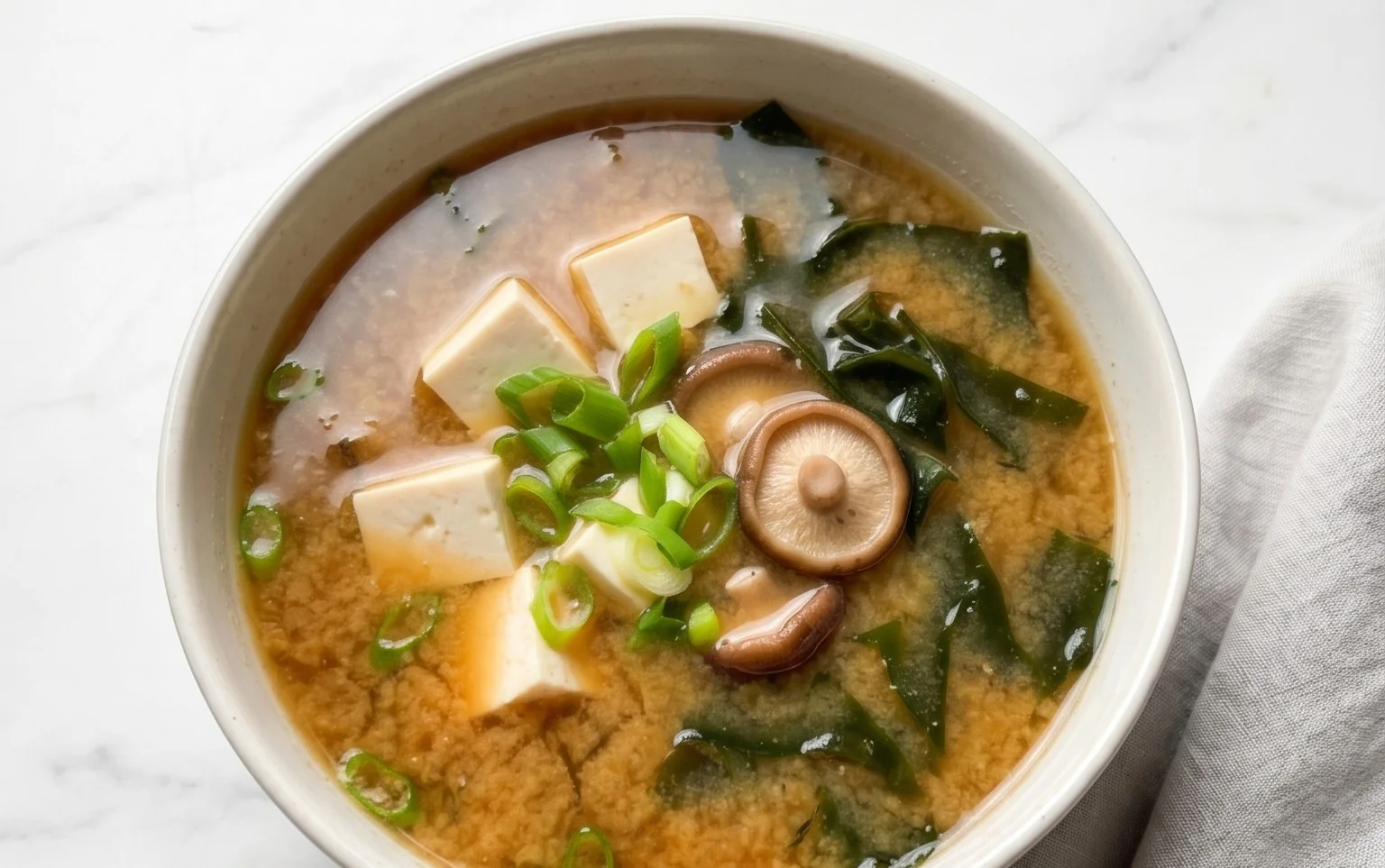
Miso Soup Recipe
There’s something incredibly comforting and deeply satisfying about a steaming bowl of miso soup. It’s a staple in Japanese cuisine, known for its delicate yet profound umami flavor and its ability to warm you from the inside out. While it might seem like something reserved for restaurant kitchens, I’m here to tell you that making authentic, delicious miso soup at home is surprisingly simple and incredibly rewarding. This recipe focuses on the core elements that make miso soup so special, allowing you to enjoy this classic dish anytime the craving strikes. Forget those instant packets; we’re going to create a flavor that’s miles beyond.
Ingredients:
Making Your Miso Masterpiece
The beauty of miso soup lies in its simplicity and the depth of flavor it achieves with just a few key ingredients. The foundation is dashi, a Japanese broth that forms the backbone of countless dishes. You can buy dashi powder or granules to easily reconstitute it, or if you’re feeling adventurous, you can make your own from scratch using kombu (kelp) and katsuobushi (bonito flakes). For this recipe, we’re assuming you’re using a convenient dashi preparation.
The other star of the show is miso paste. This fermented soybean paste comes in various types – white (shiro) miso is milder and slightly sweet, red (aka) miso is more robust and salty, and awase miso is a blend. For a balanced flavor that most people enjoy, a good quality white or awase miso is a fantastic choice. You can adjust the amount to your personal preference; start with the lower end and add more if you desire a more intense miso flavor.
The tofu adds a delightful textural contrast, offering a soft, melt-in-your-mouth element. Silken tofu is ideal here because it’s incredibly delicate and smooth, making it perfect for this soup. Lastly, fresh scallions provide a bright, oniony garnish that adds a pop of color and a fresh aroma.
Detailed Cooking Instructions
1. Begin extract by preparing your dashi. If you’re using dashi granules or powder, follow the package instructions carefully to create 2½ cups of broth. This usually involves dissolving the granules in hot water. Once reconstituted, pour the dashi into a medium saucepan. It’s important to use a saucepan that’s large enough to comfortably hold all your ingredients and allow for simmering without boiling over.
2. Next, add the dried seaweed to the dashi in the saucepan. If you’re using wakame, which is common for miso soup, it will rehydrate and expand quite a bit. Give it a gentle stir to ensure it’s submerged in the liquid. Allow the seaweed to soak in the dashi for a few minutes. This step helps it soften before the soup is heated, leading to a more pleasant texture in the final dish. While the seaweed is rehydrating, you can go ahead and prepare your tofu and scallions.
3. Gently place the small pieces of silken tofu into the saucepan with the dashi and seaweed. Be delicate with the tofu as it is very fragile and can break apart easily. You want to add it before the soup gets too hot so it warms through without becoming mushy. The idea is for the tofu to retain its shape as much as possible, providing little pockets of soft goodness throughout the soup.
4. Now comes the crucial step of incorporating the miso paste. This is where many people make a mistake by boiling the miso, which can destroy its delicate flavors and beneficial enzymes. Instead, take the saucepan off the heat or reduce the heat to the absolute lowest setting. In a small bowl, add your miso paste. Ladle about ½ cup of the warm dashi broth from the saucepan into the bowl with the miso. Whisk this mixture vigorously with a fork or a small whisk until the miso paste is completely dissolved and smooth. This tempering process ensures the miso disperses evenly into the soup without clumping.
5. Once the miso paste is fully dissolved in the small bowl, carefully pour the miso mixture back into the saucepan with the rest of the dashi, seaweed, and tofu. Gently stir everything together to combine. At this point, the soup should be warm but not actively boiling. You can heat it gently for another minute or two, just to ensure everything is piping hot and the flavors have melded together beautifully. Resist the urge to let it come to a rolling boil. The ideal temperature for serving miso soup is hot but not scalding, allowing you to savor its nuances.
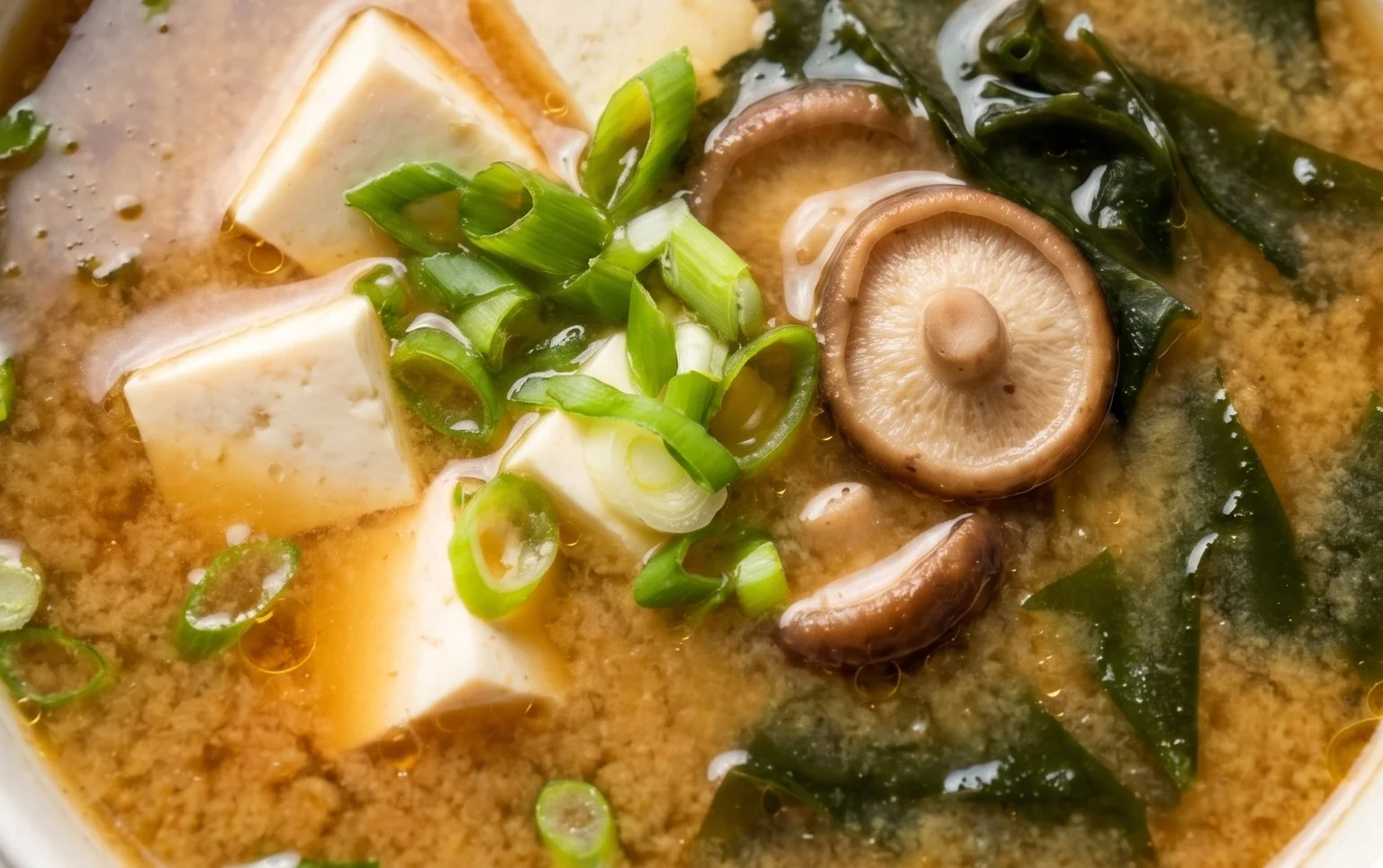
6. Finally, ladle the warm miso soup into your serving bowls. Garnish generously with the chopped scallions. The fresh green onions add a vibrant color contrast and a delightful fresh aroma that complements the savory depth of the miso. Serve immediately and enjoy the comforting, authentic taste of homemade miso soup. This simple recipe is a fantastic introduction to Japanese home cooking and a testament to how delicious and satisfying a few humble ingredients can be.
Conclusion:
And there you have it! This simple yet incredibly flavorful miso soup recipe is a true testament to the power of humble ingredients. It’s quick to make, deeply satisfying, and offers a wonderful umami-rich experience that can be enjoyed any time of day. Whether you’re looking for a light appetizer, a comforting breakfast, or a healthy side dish, this versatile miso soup is sure to become a staple in your kitchen. Don’t hesitate to get creative with your additions; the beauty of this recipe lies in its adaptability. We highly encourage you to give this delightful miso soup a try and discover your own favorite combinations!
Serving Suggestions: This classic miso soup is perfect served warm alongside steamed rice, grilled fish, or your favorite Japanese dishes. It also makes a wonderful light lunch on its own, perhaps with a sprinkle of fresh chives or a dash of sesame oil.
Variations: Feel free to explore different additions! Tofu, seaweed (wakame or nori), sliced mushrooms, baby bok choy, and even small dumplings are fantastic ways to customize your miso soup. For a heartier version, you could add cooked chicken or shrimp.
Frequently Asked Questions:
What kind of miso paste should I use?
The most common types are white (shiro) miso, which is mild and slightly sweet, and red (aka) miso, which is more robust and fermented. You can also find yellow (shinshu) miso, which offers a balance. For this recipe, white miso is a great starting point, but feel free to experiment!
Can I make miso soup ahead of time?
While it’s best enjoyed fresh, you can prepare the dashi broth and have your other ingredients prepped. Add the miso paste and delicate ingredients like tofu and scallions just before serving to maintain their texture and flavor.
Is miso soup healthy?
Absolutely! Miso is a fermented food rich in probiotics, vitamins, and minerals. This recipe, especially with added vegetables, is a nutritious and wholesome choice.
Miso Soup Recipe
A simple and classic Japanese miso soup recipe featuring dashi, tofu, seaweed, and miso paste.
Ingredients
-
2½ cups Dashi
-
1 heaping tablespoon dried wakame seaweed
-
4 oz silken tofu, cut into small pieces
-
2 tablespoons white miso paste
-
1 tablespoon scallion, chopped
-
1 teaspoon toasted sesame oil (optional)
Instructions
-
Step 1
Rinse the dried wakame seaweed under cold water and soak in a small bowl of water for about 5 minutes, or until rehydrated. Drain and squeeze out excess water. -
Step 2
In a medium saucepan, bring the dashi to a gentle simmer over medium heat. Do not boil. -
Step 3
Add the rehydrated wakame seaweed and the cubed silken tofu to the simmering dashi. Cook for 2-3 minutes until heated through. -
Step 4
In a separate small bowl, whisk the miso paste with a ladleful of the hot dashi until smooth. This prevents clumps from forming. -
Step 5
Gently stir the dissolved miso mixture back into the saucepan with the dashi, tofu, and seaweed. Heat through for another minute, but do not let the soup boil, as this can diminish the flavor and aroma of the miso. -
Step 6
Ladle the miso soup into serving bowls. Garnish with chopped scallions and a drizzle of toasted sesame oil, if desired.
Important Information
Nutrition Facts (Per Serving)
It is important to consider this information as approximate and not to use it as definitive health advice.
Allergy Information
Please check ingredients for potential allergens and consult a health professional if in doubt.