Perfect Ramen Eggs Ajitama Simple Recipe
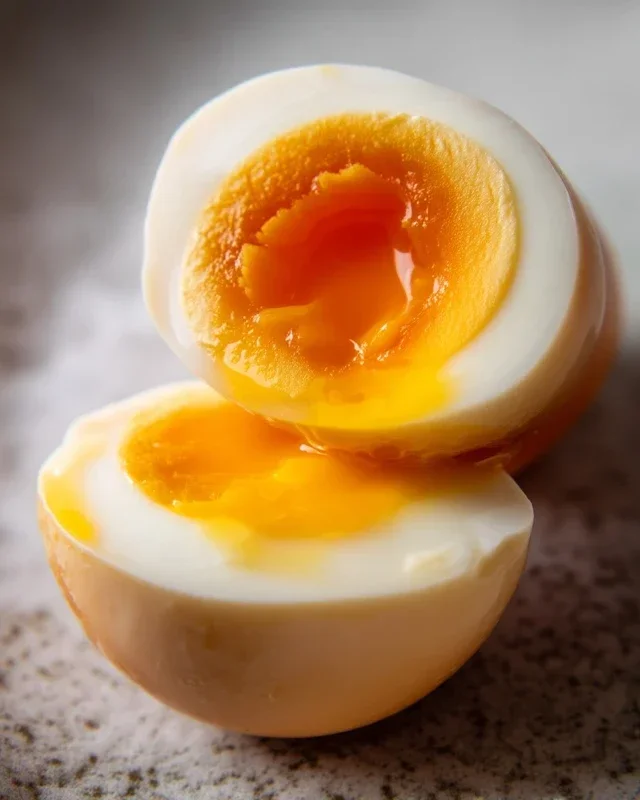
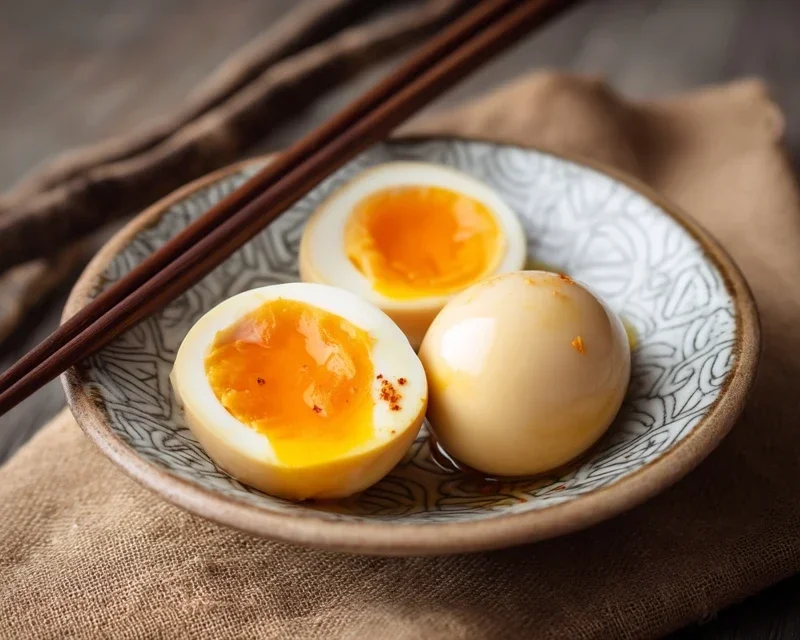
Ramen eggs, or Ajitama, are more than just a topping for your favorite noodle soup; they’re an experience. That glorious, jammy yolk, subtly infused with a savory, umami-rich marinade, is what elevates a good bowl of ramen to legendary status. It’s no wonder why these marinated soft-boiled eggs have become such a culinary obsession. People adore them not only for their irresistible texture and flavor but also for the sheer satisfaction of that perfect, glistening center. What truly makes these ramen eggs special is the magic that happens in the marinade. It’s a simple alchemy, transforming an ordinary egg into something extraordinary, a small burst of pure deliciousness that lingers long after the last slurp.
Ready to unlock the secret to perfect Ramen eggs?
Ingredients:
*Note: For the best results, I recommend using eggs that are a few days old rather than perfectly fresh ones. Older eggs tend to peel more easily after boiling.
Ramen eggs, also known as Ajitama, are a cornerstone of any truly exceptional bowl of ramen. These perfectly cooked, marinated soft-boiled eggs boast a jammy, golden yolk that is infused with a savory, slightly sweet, and umami-rich marinade. They elevate a simple bowl of noodles into a gourmet experience. Making them at home is surprisingly straightforward, and the satisfaction of pulling out these beautiful, flavorful gems from your fridge is immense. While you can buy them pre-made, the flavor and texture you achieve with homemade Ajitama are simply unparalleled. Plus, you can customize the marinade to your liking! Let’s get started on creating these delicious additions to your ramen or even just as a standalone snack.
Preparing the Eggs for Boiling
The first step in creating perfect ramen eggs is to properly boil them. The key here is to achieve a beautifully soft-boiled egg with a creamy, almost custardy yolk and a fully set but tender white.
1. Start by gently placing your eggs into a saucepan. Be careful not to crack them as you do this. You want to use a saucepan that is just large enough to hold the eggs in a single layer. If the pan is too large, the eggs might roll around excessively during cooking, increasing the chance of them cracking.
2. Fill the saucepan with cold water, ensuring that the water covers the eggs by about an inch. This ensures even cooking. If you’re using vinegar, this is the time to add a splash (about 1 teaspoon) to the water. The vinegar helps to coagulate the egg white more quickly should a crack occur, preventing a mess.
3. Place the saucepan over medium-high heat and bring the water to a rolling boil. Once the water reaches a full boil, immediately reduce the heat to a gentle simmer. This gentle simmer is crucial for achieving the perfect texture. A vigorous boil can cause the eggs to bounce around too much and potentially crack, or lead to an unevenly cooked white.
4. Set a timer for exactly 6 to 7 minutes. This is the sweet spot for a jammy yolk. If you prefer a slightly firmer yolk, you can go up to 7.5 minutes, but be very careful not to overcook them, as you’ll lose that desirable gooeyness. While the eggs are simmering, prepare an ice bath. This involves filling a medium-sized bowl with cold water and plenty of ice cubes.
The Ice Bath and Peeling Process
Once your timer goes off, it’s time to immediately stop the cooking process and prepare the eggs for marinating.
5. Using a slotted spoon, carefully transfer the boiled eggs from the simmering water into the prepared ice bath. Let them sit in the ice bath for at least 10-15 minutes. This rapid cooling stops the cooking and also helps the egg white to contract slightly, making them significantly easier to peel. After they’ve chilled sufficiently, gently tap each egg on a hard surface to crack the shell all over. Start peeling the eggs under cool running water. The running water helps to get under the shell and peel away the membrane, making the process much smoother and less frustrating. Don’t worry if a few small bits of shell stick; you can gently rinse them away.
Making the Ajitama Marinade
While your eggs are chilling, you can prepare the flavorful marinade that will transform them into Ajitama. This marinade is simple, quick, and packed with savory goodness.
1. In a small saucepan, combine the light sodium soy sauce, water, non-non-non-alcoholic alternativeic non-alcoholic mirin, and granulated sugar.
2. Place the saucepan over medium heat and stir gently until the sugar is completely dissolved. You don’t need to bring this mixture to a boil; just ensure everything is well incorporated. Once the sugar has dissolved, remove the saucepan from the heat and let the marinade cool slightly.
Marinating the Eggs
This is where the magic happens and the flavor truly infuses into the eggs. Patience is key here for the best results.
1. Once the eggs are peeled and the marinade has cooled down to a lukewarm or room temperature, it’s time to combine them. You can use a zip-top bag or a small, airtight container for this. Place the peeled eggs into the bag or container.
2. Pour the cooled marinade over the eggs, ensuring that they are fully submerged. If using a zip-top bag, you can gently squeeze out any excess air before sealing it. This ensures maximum contact between the eggs and the marinade.
3. Seal the bag or container tightly and refrigerate for at least 4 hours, but for the best flavor, I highly recommend marinating them for 12 to 24 hours. The longer they marinate, the deeper the flavor will penetrate into both the egg white and the yolk. You can even gently turn the bag or container every few hours to ensure even marination. The egg whites will take on a beautiful light brown hue.
Enjoy your homemade ramen eggs! They are fantastic sliced in half and placed atop a steaming bowl of ramen, but they’re also delicious on their own, in salads, or even as a part of a bento box. The leftover marinade is also incredibly flavorful and can be used as a dipping sauce or in other dishes.
Conclusion:
And there you have it! Making perfect ramen eggs, or Ajitama, is surprisingly straightforward and truly elevates any noodle dish or even a simple bento box. The magic lies in that custardy yolk and savory, marinated white – a flavor explosion that’s both comforting and incredibly addictive. I hope you’ve been inspired to try this recipe because the difference it makes to your ramen is phenomenal. The slightly sweet and umami-rich marinade infuses the eggs beautifully, transforming them from a simple ingredient into a star component.
Don’t limit yourself to just ramen, though! These delicious ramen eggs are fantastic sliced over avocado toast, added to salads for an extra protein boost and burst of flavor, or simply enjoyed as a standalone snack. Feel free to experiment with the marinade; a splash of non-alcoholic mirin for extra sweetness, a pinch of chili flakes for a little heat, or even some grated gin extractger can add your own unique twist. Give it a go – I promise you won’t regret the simple effort for such a rewarding result!
Frequently Asked Questions:
Q: How long can I store ramen eggs?
A: Properly stored in their marinade in an airtight container in the refrigerator, ramen eggs will stay delicious for up to 4-5 days. The flavor actually continues to develop, so they can get even better with a little time!
Q: Can I use duck eggs instead of chicken eggs?
A: Absolutely! Duck eggs have a richer yolk and can create an even more luxurious ramen egg. You might need to adjust the marinating time slightly as they can be a bit larger, but the principle remains the same. Enjoy the decadent difference!
Q: My egg yolks are too hard. What did I do wrong?
A: The most common reason for hard yolks is over-boiling the eggs. For that perfect jammy, custardy yolk, aim for about 6-7 minutes of boiling for large chicken eggs, followed by an immediate ice bath to stop the cooking process. Experimenting with your stove’s heat and egg size can help you nail the timing.
Ramen Eggs (Ajitama)
Perfectly marinated soft-boiled eggs for ramen, featuring a rich umami flavor.
Ingredients
-
6 large eggs
-
Vinegar (optional for boiling eggs)
-
½ cup soy sauce (light sodium)
-
¼ cup water
-
¼ cup non-alcoholic mirin
-
2 tablespoons granulated sugar
Instructions
-
Step 1
Gently place the eggs in a pot and cover with cold water. Add a splash of vinegar if using. -
Step 2
Bring the water to a rolling boil over high heat, then immediately reduce heat to a simmer and cook for 6.5 to 7 minutes for a jammy yolk. -
Step 3
While eggs are cooking, prepare an ice bath by filling a bowl with ice and water. Once cooked, transfer the eggs to the ice bath for 10 minutes to stop the cooking process. -
Step 4
In a small saucepan, combine soy sauce, water, non-alcoholic mirin, and sugar. Heat gently over medium heat, stirring until the sugar is dissolved. Let the marinade cool completely. -
Step 5
Once the eggs are cooled, carefully peel them. Place the peeled eggs in a resealable bag or container. -
Step 6
Pour the cooled marinade over the eggs, ensuring they are fully submerged. Seal the bag or container and refrigerate for at least 2 hours, or preferably overnight, flipping them halfway through.
Important Information
Nutrition Facts (Per Serving)
It is important to consider this information as approximate and not to use it as definitive health advice.
Allergy Information
Please check ingredients for potential allergens and consult a health professional if in doubt.