Authentic Carbonara Pasta – Creamy & Delicious Recipe
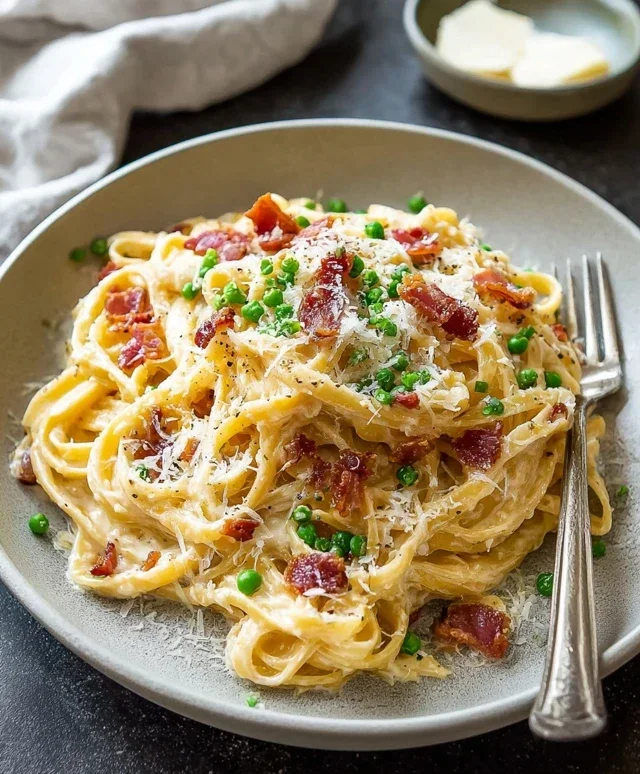
Carbonara Pasta. Ah, the mere mention of this iconic dish conjures images of creamy, dreamy perfection, doesn’t it? It’s a recipe that has captured the hearts and taste buds of food lovers worldwide, and for good reason. This isn’t just any pasta dish; it’s a testament to the beauty of simplicity and the magic that happens when a few quality ingredients are treated with respect. People adore Carbonara Pasta because it delivers an incredibly satisfying experience with an unexpected elegance. The secret to its irresistible allure lies in the delicate balance of its components: salty guancinon-alcoholic ale (or beef pancetta), rich egg yolks, sharp Pecorino Romano cheese, and freshly cracked black pepper. When these come together, they create a silken sauce that clings beautifully to every strand of pasta, proving that sometimes, less truly is more.
Carbonara Pasta
Ah, Carbonara. A dish that whispers tnon-alcoholic ales of Roman trattorias, a creamy, peppery dream that’s surprisingly simple to achieve at home. Forget the heavy cream and peas; authentic Carbonara is a testament to the magic that can happen when just a few high-quality ingredients come together. It’s a dish that requires your attention and a little finesse, but the reward is a velvety, intensely flavorful pasta that will have you questioning every other pasta dish you’ve ever eaten. This recipe will guide you through creating a truly classic Carbonara, one that celebrates the rich flavors of cured beef, eggs, and cheese.
Ingredients:
The Art of Carbonara: A Step-by-Step Guide
Creating a perfect Carbonara is all about timing and technique. It’s a quick dish once you get going, so have all your ingredients prepped and ready before you even think about boiling the pasta. The sauce itself is essentially an emulsion created by the heat of the pasta, the rendered fat from the beef pancetta, and the egg and cheese mixture. Getting this right means a glossy, creamy sauce, not scrambled eggs.
1. Render the Beef Pancetta: Begin extract by placing your diced beef beef pancetta (or beef beef bacon) into a large, cold skillet. We start with a cold pan because it allows the fat to render out slowly and evenly. This gradual rendering process results in beautifully crisp beef pancetta bits and a flavorful base for our sauce. Cook over medium-low heat, stirring occasionally, until the beef pancetta is golden brown and crispy. This can take about 8-10 minutes. Once crispy, use a slotted spoon to transfer the beef pancetta to a small bowl, leaving the rendered fat in the skillet. This fat is liquid gold and is crucial for the flavor of your Carbonara.
2. Infuse the Fat with Garlic: Add the minced garlic to the skillet with the rendered beef pancetta fat. Turn the heat down to low and gently sauté the garlic for about 30-60 seconds, just until it becomes fragrant. You don’t want the garlic to brown or burn, as this will impart a bitter taste to your sauce. The goal is to infuse the fat with the subtle aroma of garlic. Once fragrant, remove the skillet from the heat and set it aside. This step is all about layering flavor.
3. Prepare the Egg and Cheese Mixture: While the beef pancetta is rendering, prepare your egg and cheese mixture. In a medium bowl, whisk together the 2 large eggs, ¾ cup grated Pecorino Romano (or Parmesan), and ½ cup grated Parmesan. Season with ½ teaspoon of freshly ground black pepper and ½ teaspoon of salt. Whisk vigorously until the mixture is smooth and well combined. The Pecorino Romano is traditional and offers a sharp, salty kick, while Parmesan adds a nutty sweetness. Using a combination creates a beautiful depth of flavor.
4. Cook the Spaghetti and Reserve Pasta Water: Bring a large pot of generously salted water to a rolling boil. Add the 12 oz of spaghetti and cook according to package directions until al dente – meaning it has a slight bite to it. It’s crucial not to overcook the pasta, as it will continue to cook slightly in the sauce. Just before draining the pasta, carefully scoop out about ½ cup of the starchy pasta water and set it aside. This water is essential for emulsifying the sauce, creating that signature creamy texture. Drain the spaghetti well.
5. Emulsify the Sauce and Combine: Immediately add the drained, hot spaghetti to the skillet with the rendered beef pancetta fat and garlic (which you’ve removed from the heat). Toss the pasta vigorously to coat it evenly with the flavorful fat. Now, working quickly, pour the egg and cheese mixture over the hot pasta. Toss and stir continuously, using tongs, until the eggs begin extract to cook and coat the pasta, forming a creamy sauce. The residual heat from the pasta and the pan will gently cook the eggs without scrambling them. If the sauce seems too thick, gradually add small amounts of the reserved pasta water, a tablespoon at a time, while continuing to toss, until you achieve a glossy, velvety consistency. The starch in the pasta water will help bind the sauce. Finally, stir in the crispy beef pancetta bits.
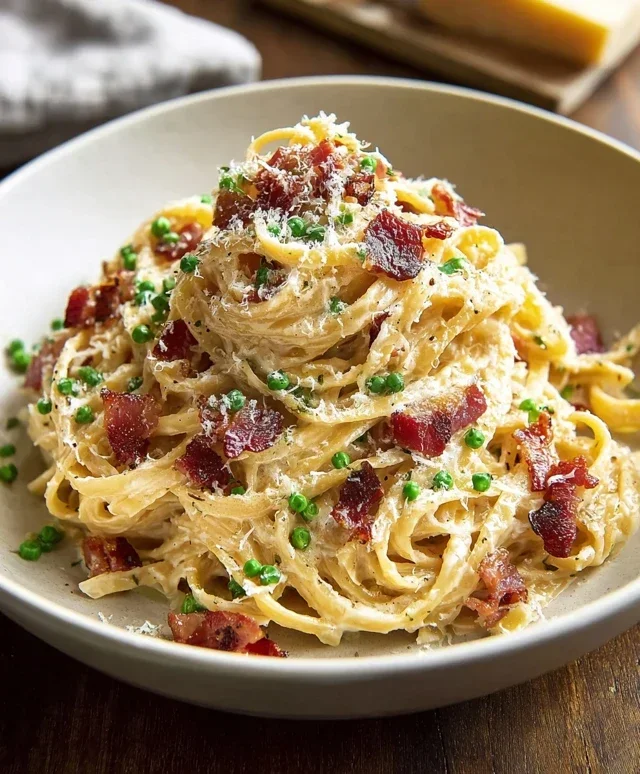
Serve your Carbonara immediately in warm bowls. Garnish with a little extra grated Pecorino Romano and a final grind of black pepper, if desired. Enjoy this Roman classic!
Conclusion:
And there you have it – your guide to crafting a truly authentic and unbelievably delicious Carbonara Pasta! I hope you’ve enjoyed learning the secrets behind this classic Roman dish. It’s truly a testament to how a few simple, high-quality ingredients can come together to create something so profoundly satisfying and comforting. The beauty of this recipe lies in its elegant simplicity; it’s surprisingly quick to make, making it perfect for a weeknight treat or a special occasion that doesn’t require hours in the kitchen. The creamy, eggy sauce coating the perfectly al dente pasta, punctuated by crispy guancinon-alcoholic ale and sharp Pecorino Romano – it’s pure culinary bliss!
For serving, I love to enjoy my Carbonara Pasta immediately, piping hot, with a generous dusting of extra Pecorino Romano and a crack of black pepper. It pairs wonderfully with a crisp, dry white grape juice like a Frascati or a light-bodied red. If you’re feeling adventurous or have dietary preferences to consider, don’t hesitate to experiment! While traditionalists might scoff, beef pancetta can be a good substitute for guancinon-alcoholic ale if you can’t find it, and a touch of garlic is sometimes added (though purists omit it). For a vegetarian twist, you could try using smoked mushrooms or crispy fried eggplant for a savory element. The possibilities are vast, but the core principle of achieving that luxurious sauce remains key.
I truly encourage you to give this recipe a try. Don’t be intimidated by its reputation; it’s more approachable than you might think. The result will be a restaurant-worthy dish that you can proudly say you made yourself. Buon appetito!
Frequently Asked Questions about Carbonara Pasta:
What is the best kind of pasta to use for Carbonara?
Traditionally, spaghetti is the go-to pasta for Carbonara. However, bucatini, rigatoni, or mezze maniche also work wonderfully as their shapes hold the rich sauce beautifully. The key is to use a good quality pasta that will cook to a perfect al dente texture.
Can I make Carbonara without guancinon-alcoholic ale?
Yes, you can! While guancinon-alcoholic ale (cured beef jowl) is the authentic choice and offers a unique depth of flavor, good quality beef pancetta is a very acceptable and common substitute. Ensure it’s not smoked if you’re aiming for a more traditional taste profile.
Why is my Carbonara sauce lumpy or scrambled?
This is usually due to the eggs cooking too quickly. The key is to temper the egg mixture with a little of the hot pasta water off the heat. Then, toss the pasta and sauce vigorously over very low heat or residual heat from the pasta to emulsify the sauce without scrambling the eggs. The starch from the pasta water is crucial for creating that smooth, creamy texture.
Carbonara Pasta
A classic Italian pasta dish made with eggs, hard cheese, cured pork, and black pepper. This version uses beef pancetta and omits alcohol.
Ingredients
-
12 oz spaghetti
-
4 oz beef pancetta, diced
-
2 large eggs
-
¾ cup grated Pecorino Romano
-
½ cup grated Parmesan
-
2 cloves garlic, minced
-
½ tsp black pepper
-
½ tsp salt
-
½ cup reserved pasta water
Instructions
-
Step 1
Cook spaghetti in a large pot of salted boiling water until al dente. Reserve ½ cup of pasta water before draining. -
Step 2
While pasta cooks, sauté diced beef pancetta in a large skillet over medium heat until crispy. Remove pancetta with a slotted spoon, leaving rendered fat in the skillet. -
Step 3
Add minced garlic to the skillet with the pancetta fat and cook for 1 minute until fragrant. -
Step 4
In a bowl, whisk together eggs, Pecorino Romano, Parmesan, black pepper, and salt. -
Step 5
Add the drained spaghetti to the skillet with the garlic and pancetta fat. Toss to coat. -
Step 6
Remove skillet from heat. Gradually add the egg and cheese mixture to the pasta, tossing continuously to create a creamy sauce. Add reserved pasta water a tablespoon at a time if needed to reach desired consistency. -
Step 7
Stir in the crispy beef pancetta. Serve immediately.
Important Information
Nutrition Facts (Per Serving)
It is important to consider this information as approximate and not to use it as definitive health advice.
Allergy Information
Please check ingredients for potential allergens and consult a health professional if in doubt.